What makes a place feel instantly recognizable? In Windsor, it is not just the homes or the ocean setting. It is the way architecture, greens, and shared gathering spaces work together to create a village-like experience that feels distinct on Florida’s barrier island. If you are exploring Windsor or simply want to understand what sets it apart, this guide will walk you through the design details and member-access spaces that define daily life here. Let’s dive in.
Windsor’s Design Starts With a Plan
Windsor is a private residential sporting club community set on 472 acres between the Indian River and the Atlantic Ocean. According to the community, it was established in 1989 and planned by Andrés Duany and Elizabeth Plater-Zyberk using New Urbanist principles.
That planning approach matters because it shapes how the community feels as you move through it. Instead of a conventional suburban layout, Windsor emphasizes walkability, mixed use, and shared spaces framed by architecture and landscape design.
In practical terms, that means the built environment is meant to encourage short walks, outdoor gathering, and easy connections between homes, greens, and amenities. Tree-lined streets, village greens, and a central hub all support that larger vision.
New Urbanism in Windsor
New Urbanism often focuses on the relationship between buildings, streets, and civic space. In Windsor, that idea shows up in the way homes and community spaces are arranged to define the public realm rather than retreat from it.
The result is a setting where shared areas feel intentional, not leftover. Streets, greens, and gathering places are part of the community’s identity, helping Windsor read as a complete village rather than a collection of individual homes.
This design language also fits its coastal setting. The planning and landscape choices reflect climate, scenery, and a relaxed outdoor lifestyle that feels natural for this part of Indian River County.
Anglo-Caribbean Architecture Shapes Windsor
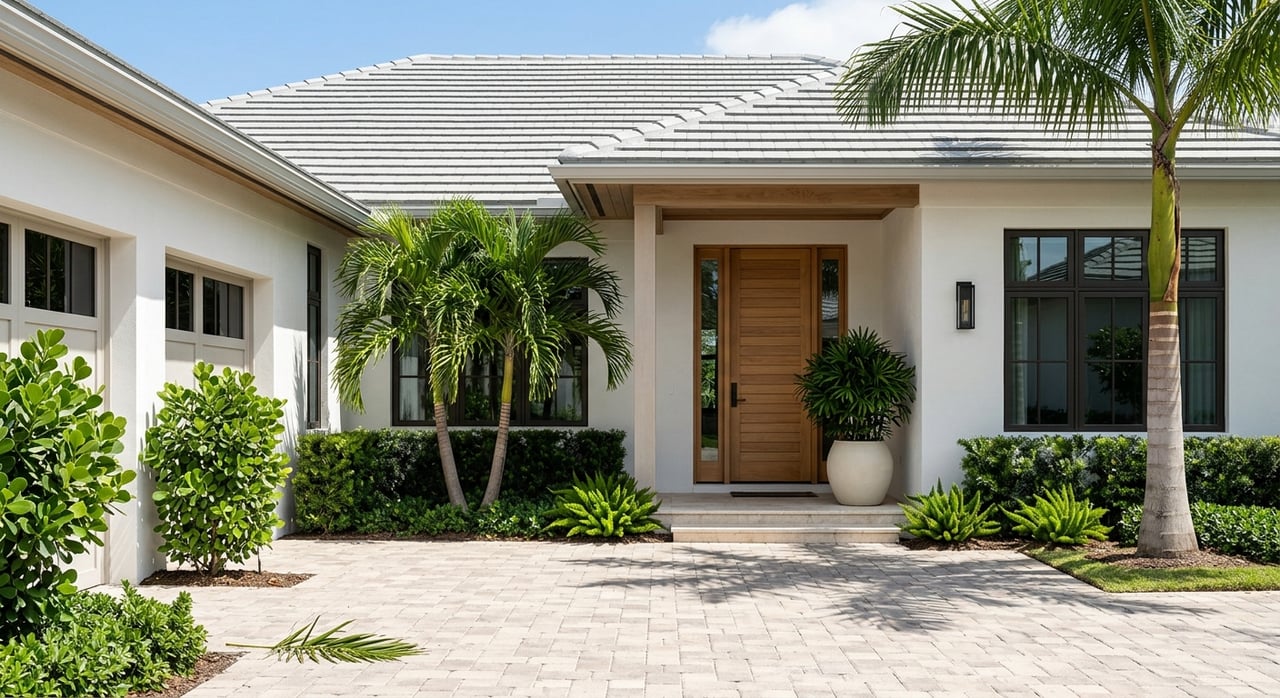
Windsor’s signature architectural style is Anglo-Caribbean. The community describes its homes as custom designed within a design code that helps preserve visual harmony across different home types.
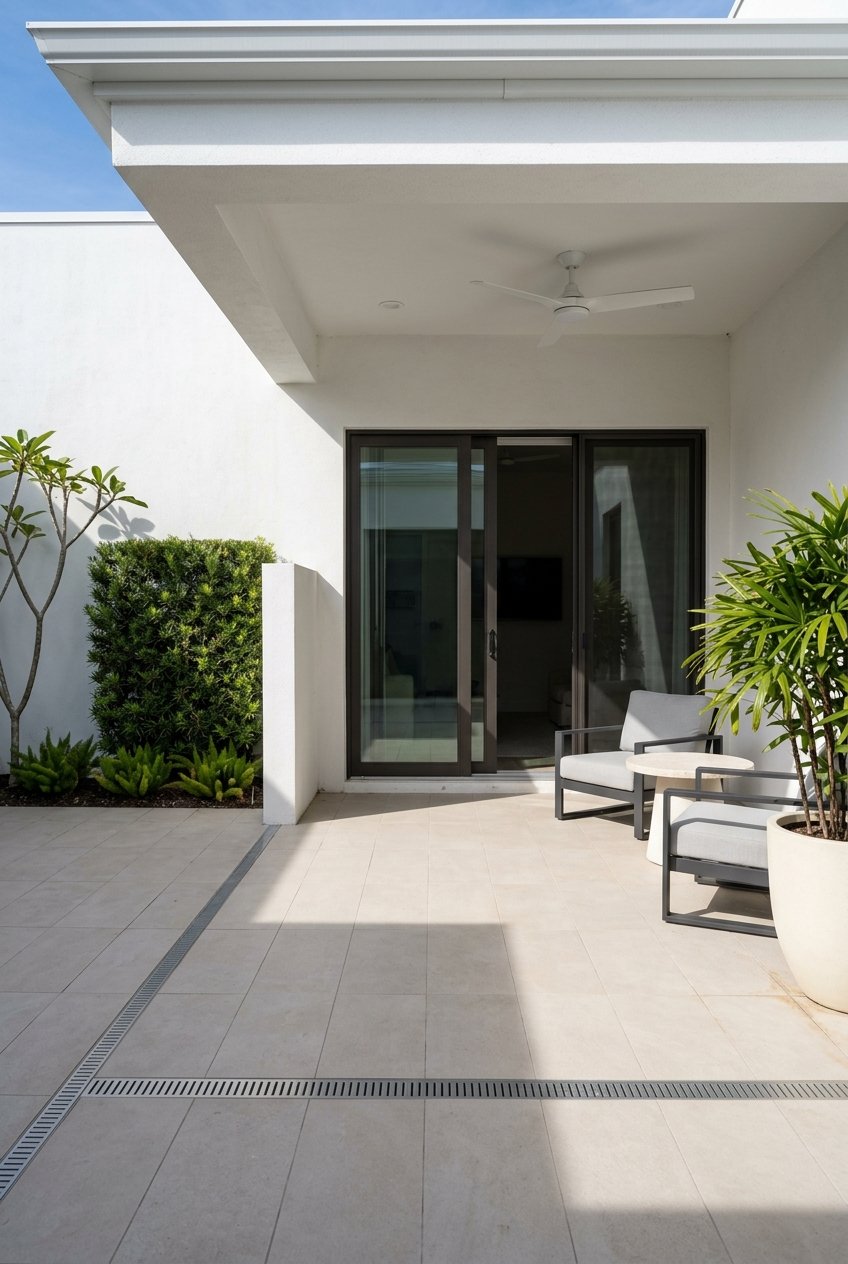
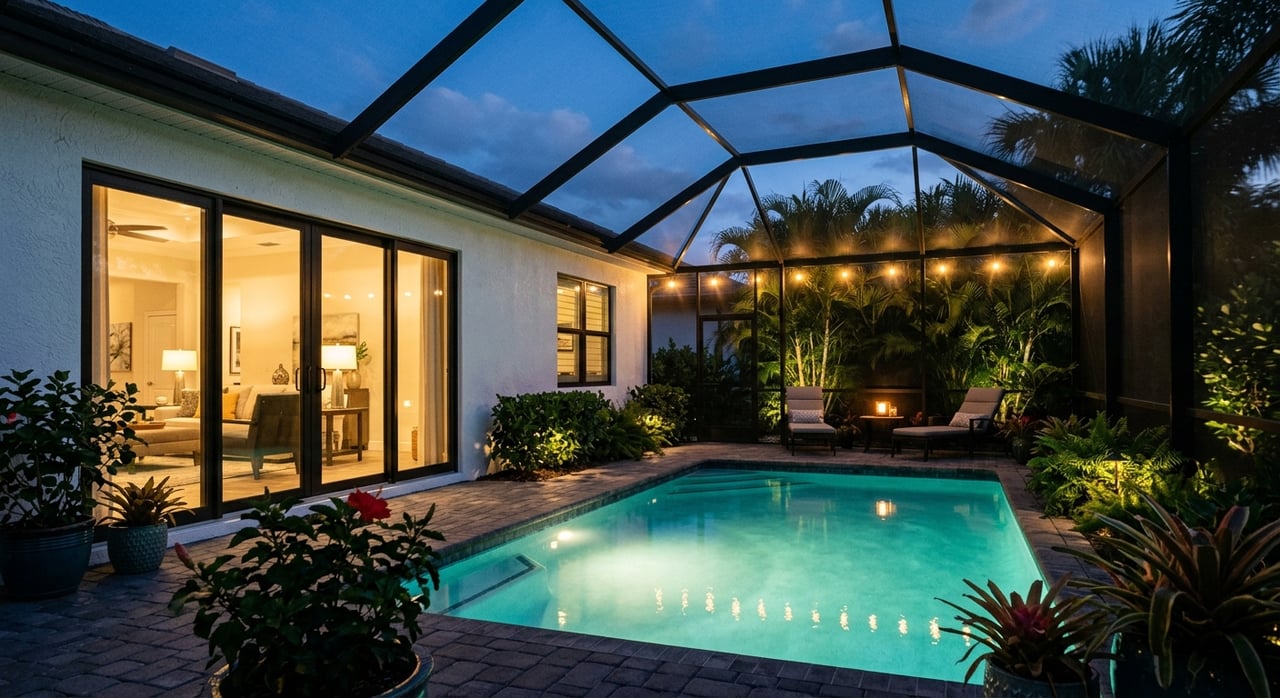
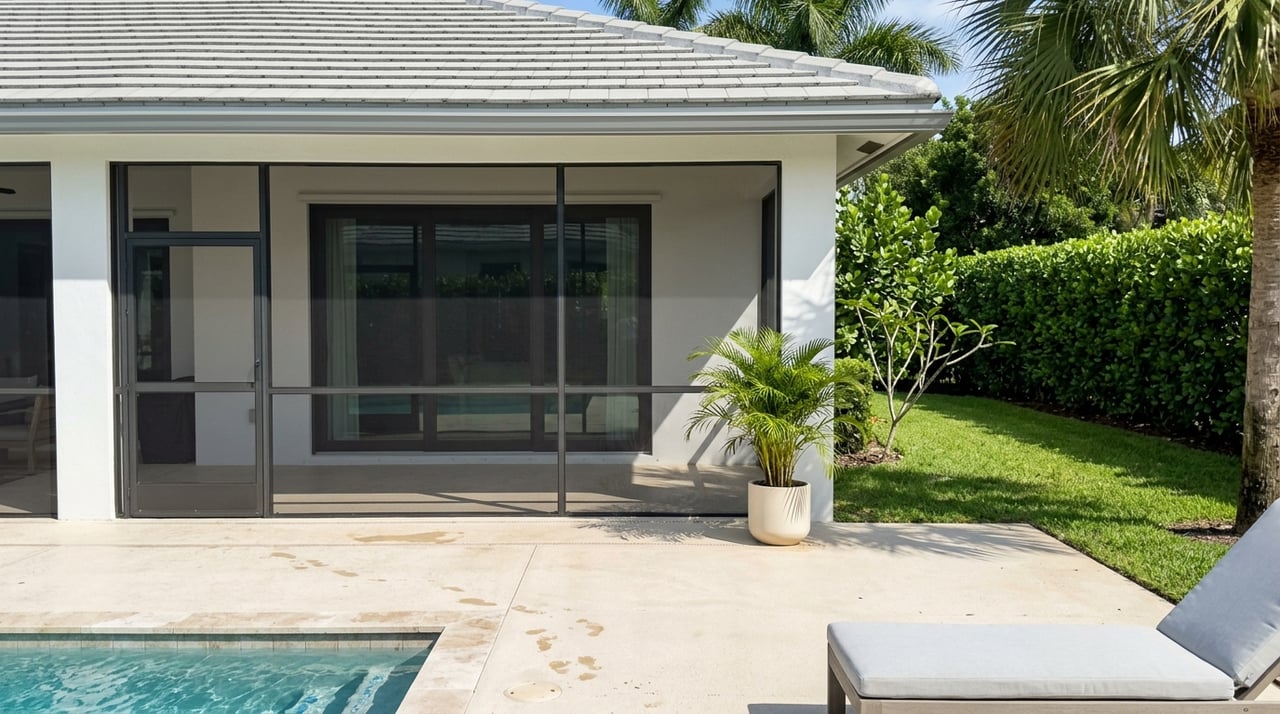
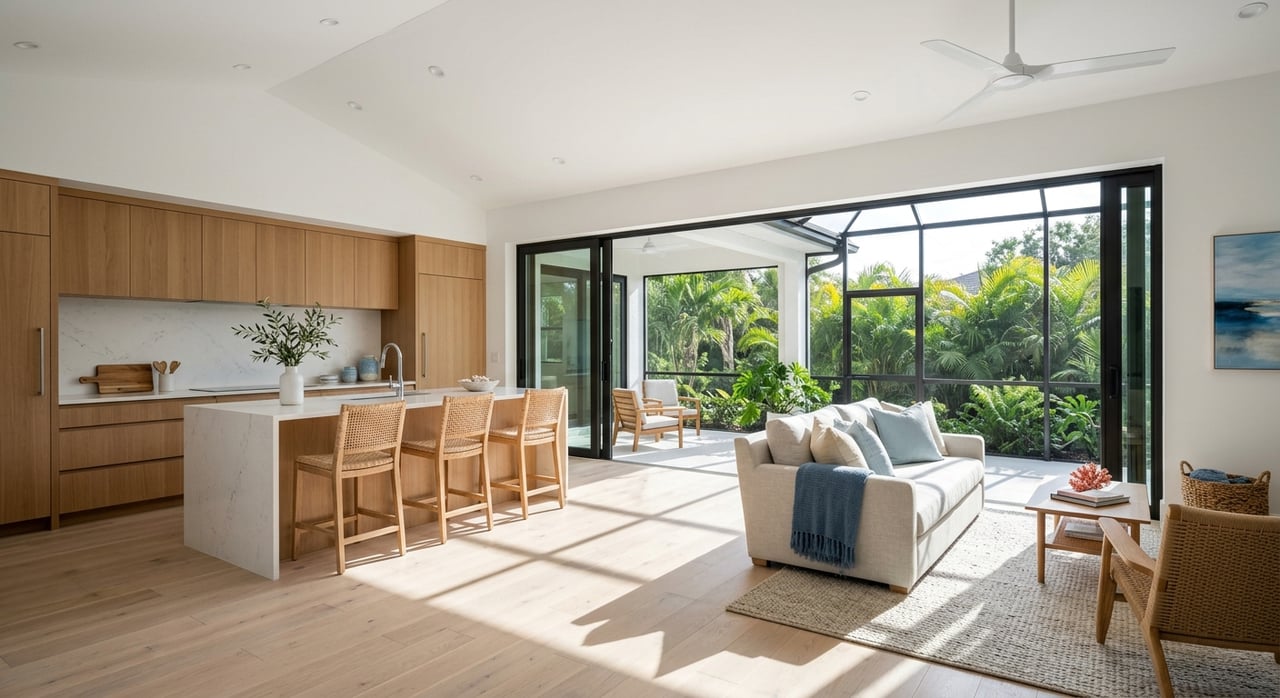
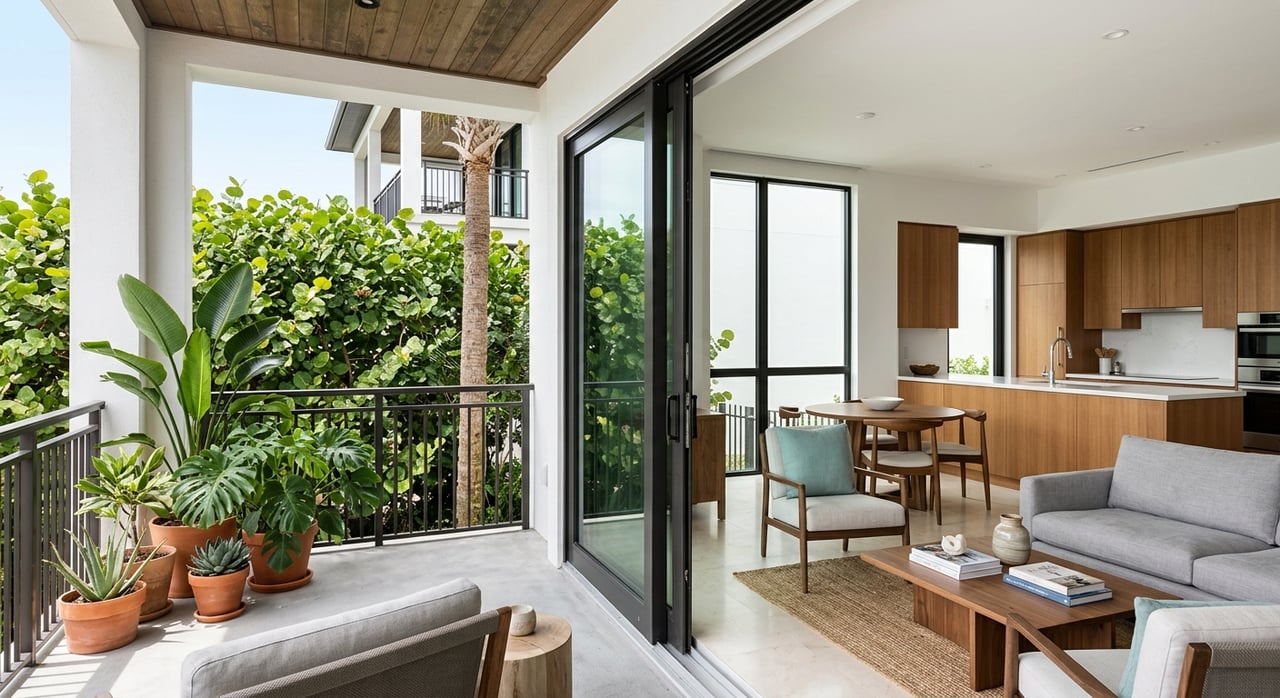
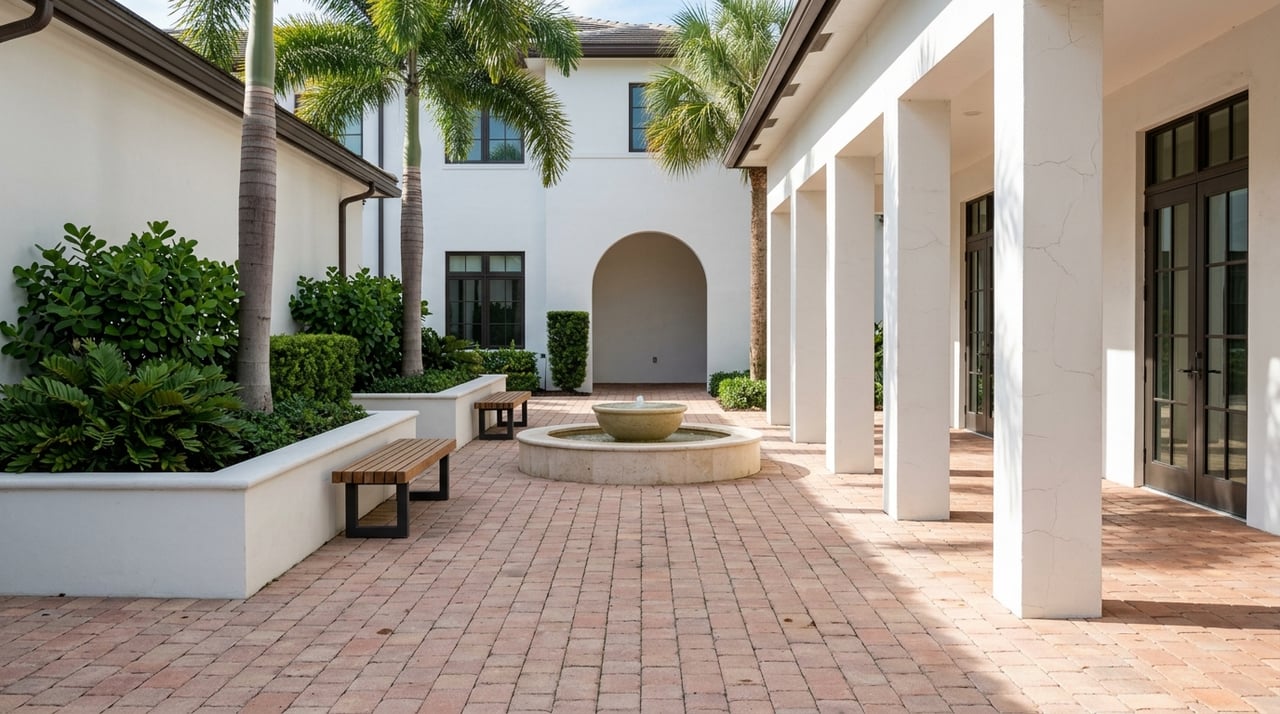
You see that consistency in the recurring details. Steeply pitched roofs, open eaves, cantilevered balconies, airy interiors, and palm-shaded courtyards all contribute to a look that feels elegant but comfortable.
That balance is important. Even with a range of properties, including village homes, cottages, country estates, and newer North Village residences and row houses, Windsor maintains a recognizable architectural identity.
A Cohesive Look Across Building Types
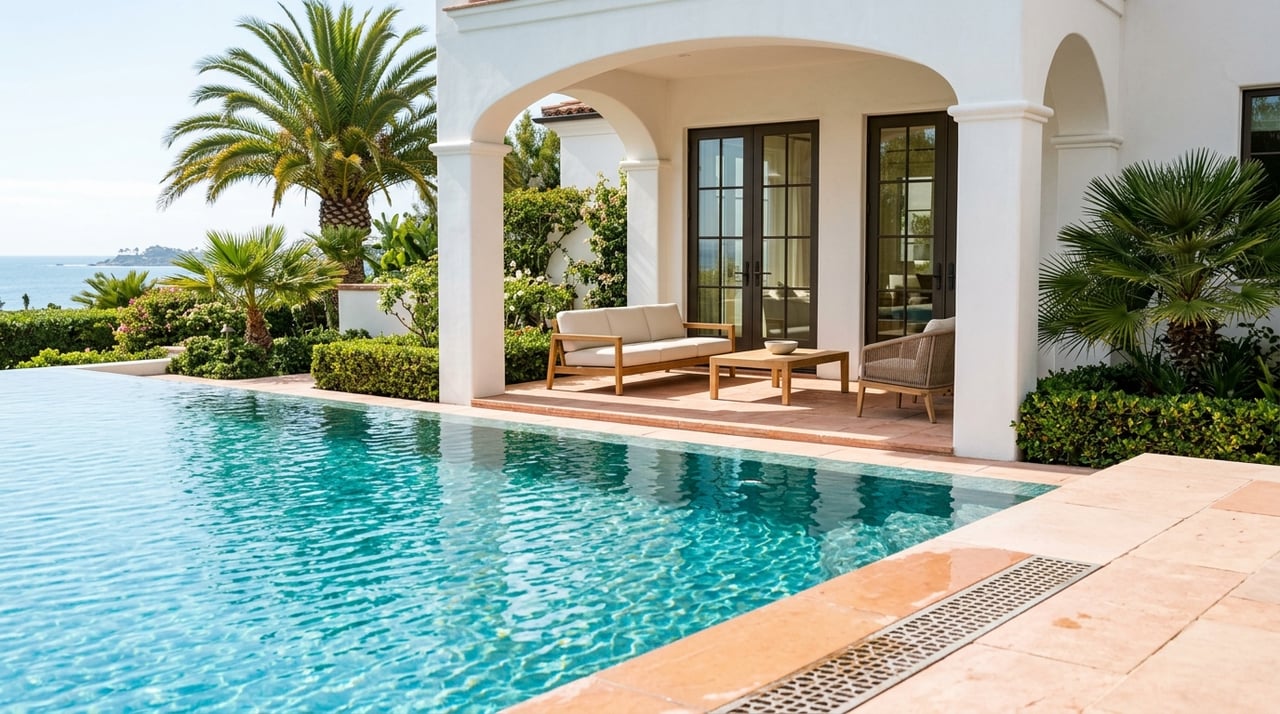
One reason Windsor feels so visually unified is that its architecture draws from a clear vocabulary. On the beachside, the community highlights features like loggias, enclosed courtyards, balconies, and ocean-oriented design.
These elements help the homes respond to the coastal environment while still fitting into a larger whole. Rather than competing for attention, the buildings support a sense of place that feels curated and enduring.
Several notable designers reinforce that consistency. Windsor identifies Duany and Plater-Zyberk with the master plan, Léon Krier with Town Hall, and Jaquelin Robertson with the Beach Club.
Village Centre Is the Social Hub
If one space captures Windsor’s village concept best, it is the Village Centre. Windsor says this area sits at the convergence of five roads and is entered through an allée of live oaks, giving it a strong sense of arrival.
The Village Centre includes the Village Store, Post Office, concierge, pergola, amphitheater, and greens. These are member-access community spaces, not public municipal amenities, and they play a central role in how the community comes together.
Windsor uses the Village Centre for meals, meetings, theme dinners, concerts, performances, pop-up boutiques, and seasonal events. That mix of everyday convenience and social activity helps explain why this area functions as the heart of the community.
Town Hall Adds a Civic Anchor
Town Hall gives Windsor a more formal gathering place. The community describes it as a meeting hall, nondenominational church, and venue for concerts, lectures, weddings, and cultural events.
Architecturally, Town Hall stands out for its neoclassical character and American vernacular references. Windsor notes its simple rectangular plan, thirty white columns, and steep roof, along with a nearby public square and fountain.
This is a good example of how architecture helps define shared space in Windsor. Town Hall is not just a building to look at. It creates a civic centerpiece that gives surrounding open areas more meaning and structure.
Beach Club Connects Design and Oceanfront Living
Windsor’s Beach Club provides an oceanside counterpart to the Village Centre. It extends the community’s design language to the Atlantic side while keeping the focus on indoor-outdoor living.
The Beach Club includes a veranda overlooking the ocean, a 25-meter pool, a poolside grille, and an open-air bar. These features make it both visually memorable and functional for relaxed coastal use.
One of the most distinctive design details is the elevated boardwalk that protects the dune. Windsor also notes a private tunnel connecting the Village Centre to the oceanside amenities, creating a seamless link between inland and beachfront spaces.
Landscape Does More Than Beautify
In Windsor, landscape design is part of the structure of the community. Greens, parks, gardens, courtyards, and fairways are not simply decorative. They help organize movement, shape views, and define the mood of each area.
Windsor highlights village greens, corner parks, hidden courtyards, flourishing gardens, and the live-oak allée at the entrance. Together, these elements soften transitions between buildings and shared spaces.
That is one reason the community feels layered and intentional. You are not moving from one isolated destination to another. You are moving through a sequence of outdoor rooms that support the overall village character.
North Village Expands the Open-Space Vision
Windsor’s North Village is described as the current final phase of the community. Official materials outline a 47-acre expansion with parks, lakes, water features, new amenities, and residences.
A notable detail is how much land is devoted to shared outdoor areas. More than 26 acres of the 47-acre plan are dedicated to parks, greens, and islands.
North Village also includes trails and boardwalks that link the Village Green to the Oak Pantheon and a kayak launch on the Indian River Lagoon. That reinforces the same planning idea seen throughout Windsor, where architecture and landscape work together to make movement feel connected and scenic.
Why Windsor Feels Different
Many communities have attractive homes and desirable amenities. Windsor stands apart because its architecture and member-access spaces were designed to support a complete experience of place.
The homes follow a consistent Anglo-Caribbean vocabulary. The Village Centre and Town Hall create recognizable gathering points. The Beach Club extends that identity to the water, while greens, trails, courtyards, and boardwalks tie everything together.
For you as a buyer, that can matter as much as square footage or lot size. In a place like Windsor, design is not just visual. It shapes how daily life flows from home to green, from gathering space to beach, and from architecture to landscape.
Windsor in the Vero Beach Area
Windsor is about 20 minutes from the historic center of Vero Beach. That location adds another layer to its appeal, pairing a private barrier island setting with access to the broader Vero Beach area’s coastal lifestyle.
Visit Indian River County describes Vero Beach as a small-town seaside destination with beaches, arts, and a laid-back coastal feel. Windsor reflects that regional character in a more private, highly planned setting.
If you are comparing luxury communities in the Vero Beach market, understanding the design story is useful. Windsor is not defined by one landmark or one amenity alone. Its character comes from the way architecture, landscape, and shared spaces support a cohesive village environment.
If you are considering Windsor or another Vero Beach-area community, the right guidance can help you compare not just homes, but the lifestyle each setting is built to offer. For personalized insight into Windsor and the surrounding market, connect with Alexis Miller.
FAQs
What architectural style defines Windsor in Indian River County?
- Windsor’s signature style is Anglo-Caribbean, with homes designed under a community design code that helps maintain visual harmony across cottages, village homes, estates, and newer residences.
What makes Windsor’s shared spaces stand out?
- Windsor’s member-access spaces are designed as part of the community plan, with the Village Centre, Town Hall, Beach Club, greens, and landscaped gathering areas all helping define daily life.
Is Windsor a public village center in Vero Beach?
- No. Windsor is a private, membership-based residential sporting club community, so its Village Centre, greens, and beach connection are community spaces for members rather than public city amenities.
What is the Village Centre in Windsor known for?
- The Village Centre is known as Windsor’s social hub, with the Village Store, Post Office, concierge, pergola, amphitheater, greens, and space for events like dinners, concerts, and seasonal gatherings.
What is North Village in Windsor, Florida?
- North Village is Windsor’s current final phase, a 47-acre expansion that adds parks, lakes, water features, amenities, and residences, with more than 26 acres devoted to parks, greens, and islands.
How close is Windsor to Vero Beach?
- Windsor is about 20 minutes from the historic center of Vero Beach, giving residents access to the wider area’s beaches, arts, and coastal atmosphere.