Is your perfect morning one where you finish breakfast and stroll straight to your dock? If you’re eyeing a home in John’s Island Club with boating in mind, you’re smart to focus on more than the view. The right property makes getting on the water easy, safe, and hassle-free. In this guide, you’ll learn how to evaluate docks, water depth and access, HOA rules, permits, insurance, and long-term costs so you can buy with confidence. Let’s dive in.
John’s Island water access basics
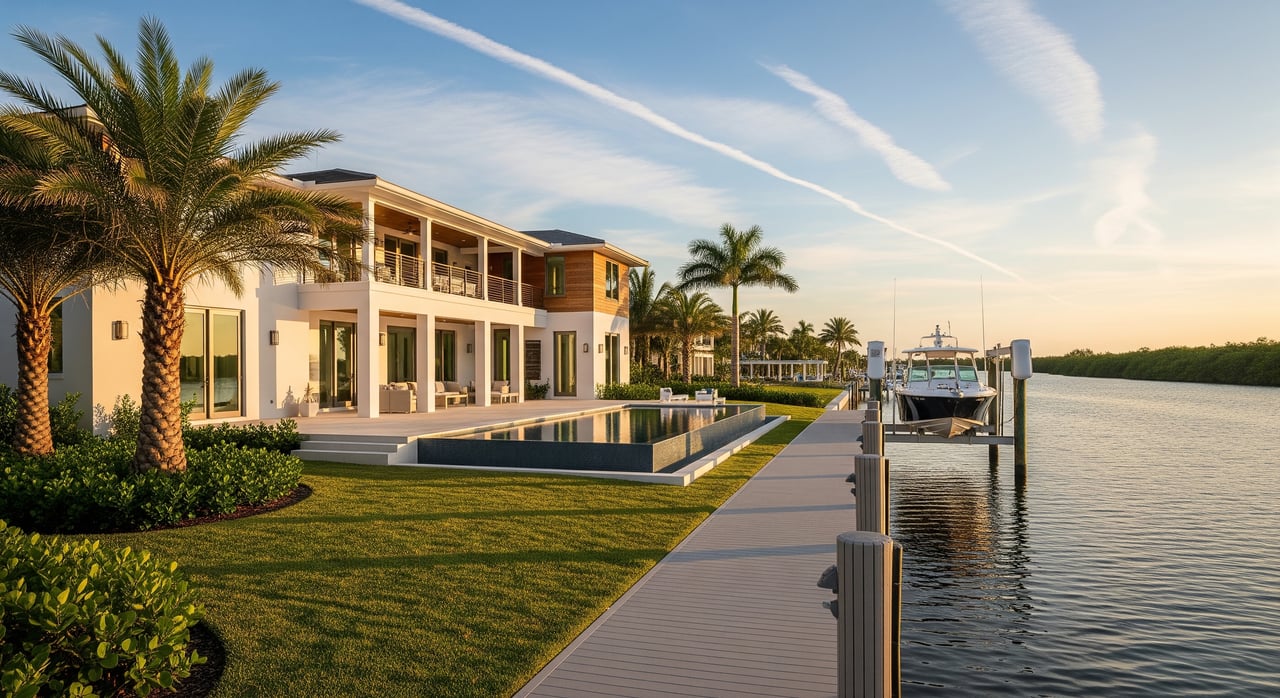
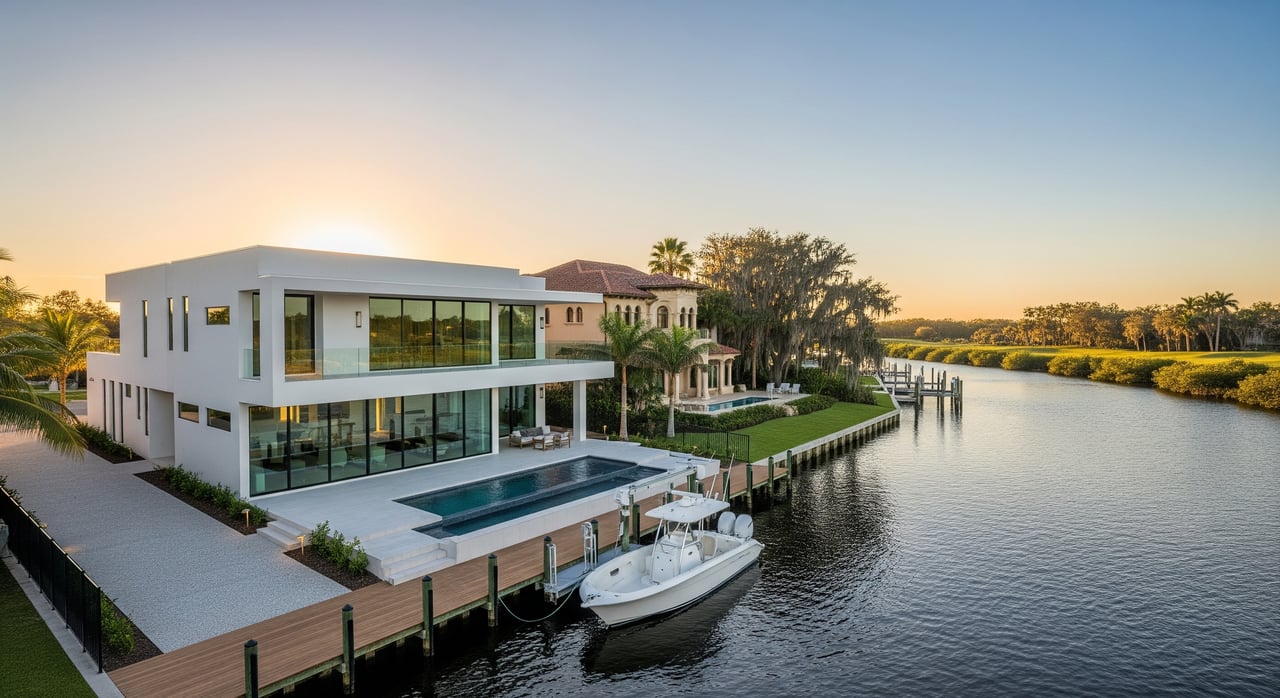
John’s Island homes sit along canals and the Indian River Lagoon. A property’s exact shoreline matters. Canal frontage, lagoon-facing lots, or bulkheaded shorelines each affect boat size, turning room, wave exposure, and how quickly you reach the Intracoastal.
You’ll also want to understand the route to the Atlantic. Access typically involves the Intracoastal and a regional inlet. Use navigational charts to confirm depths and any fixed bridges that could limit mast height.
Direct ICW vs. canal access
- Direct lagoon or Intracoastal access usually means shorter run times and fewer tight turns. This can be ideal for larger center consoles or sailboats with deeper drafts.
- Canal frontage may have shallower depths and tighter maneuvering. Confirm if canals are privately maintained or periodically dredged.
- Tidal and seasonal shoaling can change usable depth. Always verify actual measurements during low water.
For real-time planning, review official resources like the NOAA nautical charts portal and NOAA tides and currents.
Bridge clearance and depth checkpoints
- Identify every fixed bridge between your dock and your intended destinations. Note posted clearances at mean high water.
- Confirm depth at your dock and along the route at mean low water. Depth at mean low water is especially important if your vessel draws more than 2 to 3 feet.
- Ask neighbors and local marine contractors about recurring shoal areas or maintenance dredging schedules.
Property-level checks that protect your purchase
When a home includes a dock or the potential to build one, documentation and inspections are your best friends. You want clear rights, compliant structures, and a transparent maintenance history.
Docks, lifts, and utility service
- Permits and plans. Request copies of the original dock permit and any subsequent approvals for lifts or expansions. Confirm final inspections were completed.
- Condition and capacity. Have a marine contractor assess pilings, decking, hardware, and lift capacity versus your expected boat weight.
- Electric and water. Verify permitted electrical work to the dock, the condition of GFCI outlets, and any water lines or hose bibs.
- If no dock exists, confirm whether a new dock is allowed and what size or setbacks apply before writing an offer.
To verify requirements and approvals, start with county and state agencies such as the Indian River County Building Division and the Florida Department of Environmental Protection.
Riparian rights and easements
In Florida, waterfront owners generally have certain riparian rights, but your ability to build or modify docks is still subject to local, state, and federal permitting, and sometimes HOA rules. Order a title search to identify any easements or encumbrances that affect dock placement or access. Confirm the mean high-water line on a current survey, and review any recorded riparian agreements with neighbors if the shoreline is shared or narrow.
When in doubt, your permitting path may also involve the U.S. Army Corps of Engineers, Jacksonville District.
Seawalls and shoreline structures
- Type and age. Identify whether the property has a concrete, vinyl, sheetpile, or riprap shoreline. Older walls may require engineering evaluation.
- Condition and repairs. Ask for inspection reports, repair invoices, and warranties. Look for movement, cracking, undermining, or cap deterioration.
- Future costs. Replacing or repairing seawalls can be costly. Depending on length, materials, and access, projects can run from tens of thousands to over $100,000. Get local estimates early.
If the shoreline includes mangroves or sensitive habitat, trimming and construction are regulated. Review state and wildlife requirements with FDEP and the Florida Fish and Wildlife Conservation Commission before planning any changes.
Environmental constraints and utilities
- Mangroves and seagrass. Work near mangroves or seagrass beds often requires state authorization and may include strict limits on trimming and overwater coverage.
- Septic vs. sewer. Confirm whether the home is on sewer or septic. Some lagoon areas encourage sewer connection to support water quality. Ask about any upcoming local projects.
- Permitting timeline. Shoreline and in-water permits can take weeks to months, especially if surveys, mitigation plans, or public notice are required. Build this timing into your move-in or renovation plans.
For local shoreline and environmental planning, consult the county’s departments, including Indian River County Environmental Planning.
Insurance, flood zones, and resilience
Coastal properties carry unique insurance needs. Understanding these early helps you model true ownership cost and avoid surprises at closing.
Flood zones and Elevation Certificates
- Use the FEMA Flood Map Service Center to identify your property’s flood zone designation, such as AE, VE, or X.
- Ask the seller for a current Elevation Certificate. If not available, budget for a survey. Elevation and mitigation measures influence flood insurance premiums.
- If a lender is involved and the home is in a high-risk zone, flood insurance is typically required.
Windstorm and dock coverage
- Wind/hurricane coverage may be carried by private carriers or a state-backed option if markets are tight. Review hurricane deductibles and coverage limits.
- Consider boat insurance and liability coverage that includes docks and lifts. Some associations set minimum liability requirements for waterfront structures.
- Ask for the seller’s history of flood or storm claims and any limitations or denials they encountered.
Planning for sea-level rise and storm surge
The Indian River Lagoon area is exposed to storm surge and long-term sea-level rise. Ask your inspector and marine contractor about design features that improve resilience, such as higher dock elevations, corrosion-resistant hardware, and breakaway components. Consider how long-term environmental changes could affect maintenance costs, insurability, and resale value.
HOA and club rules to confirm
John’s Island Club and similar coastal communities often have robust governance that covers docks and shoreline use. Before you fall in love with a home, confirm the rules that apply to your lot.
- CC&Rs and architectural guidelines. Obtain the community covenants and any architectural review standards that address docks, lifts, lighting, and construction procedures.
- Vessel limits. Many HOAs set limits on boat length, height, or type. Ask about personal watercraft, sailboat masts, and multiple-vessel storage.
- Amenities and memberships. Clarify what is included with your property versus what requires separate membership or fees. For example, community marinas, guest slips, pump-out services, or on-site storage may be governed by club policies.
- Dues and reserves. Review HOA dues, reserve studies, and any special assessments tied to marina or shoreline infrastructure.
If your route to open water includes community-managed canals, ask whether dredging or maintenance is handled by the HOA or county, and how often it occurs.
Your touring checklist for boat-friendly homes
Bring this list to showings and incorporate it into your offer and inspection contingencies.
- Permits in hand. Request copies of dock, lift, and seawall permits, plus final inspections and any engineering reports.
- Depth at mean low water. Confirm at the dock and along the route your boat will travel. Note any fixed bridges and clearances at mean high water.
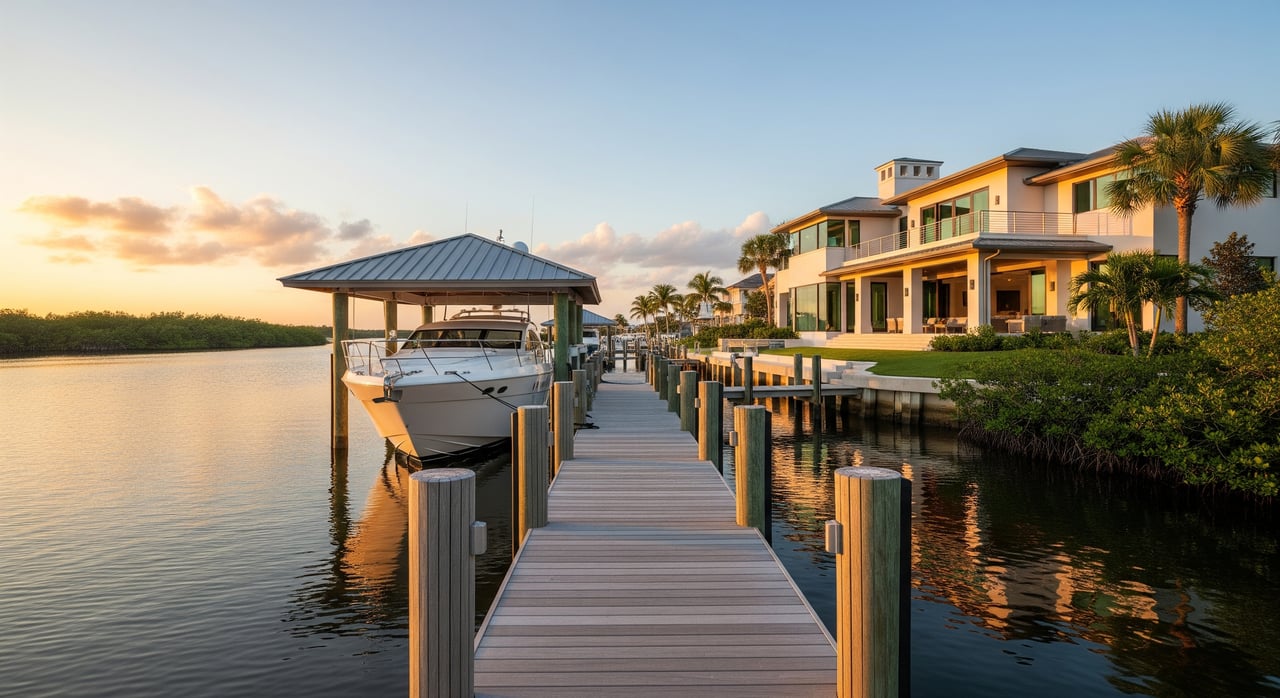
- Dock and lift condition. Inspect for wood rot, corrosion, leaning pilings, worn cables, and functioning remotes or switches. Verify lift capacity against your vessel’s fully loaded weight.
- Utilities to dock. Confirm permitted electric with GFCI protection and water availability. Note lighting and any restrictions on illumination.
- Shoreline type and health. Identify seawall or revetment type and signs of failure. Request recent invoices for repairs or maintenance.
- Survey and title. Obtain a current survey showing the mean high-water line and improvements. Order a title search for riparian easements or encumbrances.
- HOA documents. Read CC&Rs, architectural guidelines, marina policies, and meeting minutes for any pending rule changes or assessments.
- Insurance planning. Order a flood insurance quote, review wind/hurricane coverage options, and discuss dock liability coverage with your agent.
- Canal maintenance. Ask who maintains dredging and how often, especially for interior canals or tight turning basins.
- Sewer vs. septic. Verify current status and any planned sewer projects that could affect costs or timelines.
The right team makes it smooth
Waterfront transactions benefit from a coordinated team with coastal experience.
- Coastal real estate agent. You want a local advisor who understands John’s Island micro-markets, HOA practices, and how boating features impact value and resale.
- Marine contractor or dock specialist. They can estimate repairs, replacements, and lift upgrades, and provide realistic timelines.
- Surveyor and real estate attorney. Ensure boundaries, mean high-water line, and riparian rights are properly documented and understood.
- Insurance agent with coastal focus. Get quotes early for flood, wind, and dock liability to keep financing on track.
Timelines, costs, and offer strategy
Waterfront permits and repairs can affect your closing timeline. Plan ahead and negotiate accordingly.
- Permits for in-water work can involve county, state, and federal agencies. Depending on scope and environmental review, approvals can take weeks to months.
- Significant dock or seawall work can range from tens of thousands to over $100,000. Get written estimates and consider a credit or price adjustment if systems are near end of life.
- Use inspection and permit-review contingencies that allow you to cancel or renegotiate if costs exceed a set threshold or if permits are not in order.
Next steps
A boat-friendly home in John’s Island can deliver the lifestyle you want if the infrastructure, access, and rules match your boating plans. With the right due diligence and a local expert by your side, you can secure a property that performs as beautifully as it looks.
If you’re ready to focus your search on homes that truly fit your vessel and routes, schedule a private consult with Alexis Miller. You’ll get local insight, curated showings, and a clear plan to the closing table.
FAQs
What should I check first on a John’s Island waterfront home?
- Start with dock and seawall permits, current HOA rules, and verified water depth at mean low water before you write an offer.
How do I confirm if I can build or enlarge a dock in Indian River County?
- Review HOA guidelines and consult permitting authorities like the Indian River County Building Division, FDEP, and the U.S. Army Corps of Engineers Jacksonville District.
Where can I find flood zone information for a John’s Island property?
- Use the FEMA Flood Map Service Center and request the property’s Elevation Certificate to understand risk and insurance requirements.
How do tides and shoaling affect my boating route from John’s Island?
- Check NOAA nautical charts and NOAA tides and currents for depths, tides, and potential shoal areas along your planned route.
Who regulates mangrove trimming and seagrass impacts near my dock?
- Environmental rules are primarily overseen by the Florida Department of Environmental Protection and the Florida Fish and Wildlife Conservation Commission; permits are often required.