Is the Vero Beach market really busier in winter, or is that just a Florida rumor? If you have wondered when to buy or sell for the best results, you are not alone. Seasonality plays a real role here, shaped by snowbird patterns, visitor traffic, and hurricane season. In this guide, you will see how the calendar affects listings, buyer demand, and negotiations so you can plan with confidence. Let’s dive in.
Why Vero Beach is seasonal
Vero Beach and the wider Indian River County market see a strong influx of seasonal residents and visitors from late fall through spring. Warm winter weather draws second-home buyers and relocators, which raises showings and offer activity from December through April. Summer and early fall are hotter and coincide with hurricane season, which can slow new listings and make inspections and insurance more complex. Luxury and waterfront homes attract buyers all year, though showings often spike in winter.
Month-by-month market rhythm
Late fall: October to November
Some sellers list to catch early snowbird traffic, while others wait for winter. Buyer inquiries start to rise in November as visitors arrive. Hurricane season runs through November 30, which can influence timing for cautious owners.
Winter to early spring: December to April
This is the peak window for new listings and buyer traffic, especially January through April. Multiple offers and quicker timelines are more likely in active years. Sellers often see the most visibility now, and buyers should be ready to act fast.
Spring to early summer: May to June
New listings remain steady but begin to taper. Seasonal buyers start heading home, which can ease competition. Buyers often find better negotiating room than in mid-winter.
Summer: July to August
Fewer new listings hit the market. Local buyers dominate, and out-of-area tours drop. Days on market often lengthen, which can open the door to stronger negotiations for buyers.
Late summer to early fall: September to October
This is often the slowest span for new listings. Hurricane risk and insurance questions can delay deals. Local buyers and investors stay active, but overall activity is lower and price sensitivity can rise.
What this means for sellers
Best times to list
- Peak visibility usually happens from late December through April.
- If you prefer fewer competing listings, early fall or late spring can work, depending on your property type and goals.
Pricing and presentation
- Expect firmer pricing and faster timelines during winter and early spring when buyer traffic is highest.
- In off-peak months, pricing strategy and standout marketing are critical to draw qualified showings.
Logistics to plan
- Inspection and contractor schedules can fill quickly in peak season. Pre-list repairs and wind mitigation documentation can help.
- Title and appraisal timelines can stretch slightly during busy months, so build in a cushion.
What this means for buyers
When to shop
- December to April offers the widest selection and active showings, but also the most competition.
- Summer and early fall can mean fewer bidders and more negotiation potential.
How to compete in winter
- Secure a strong pre-approval before touring.
- Be ready for quick decisions and clear terms if you love a property.
- Schedule inspectors early to hold your closing timeline.
How to win in the off-season
- Use slower months to negotiate on price, credits, or timing.
- Consider properties that paused during peak season and re-entered the market.
- Ask for seller-paid updates or documentation that help with insurance.
Property type nuances in Vero Beach
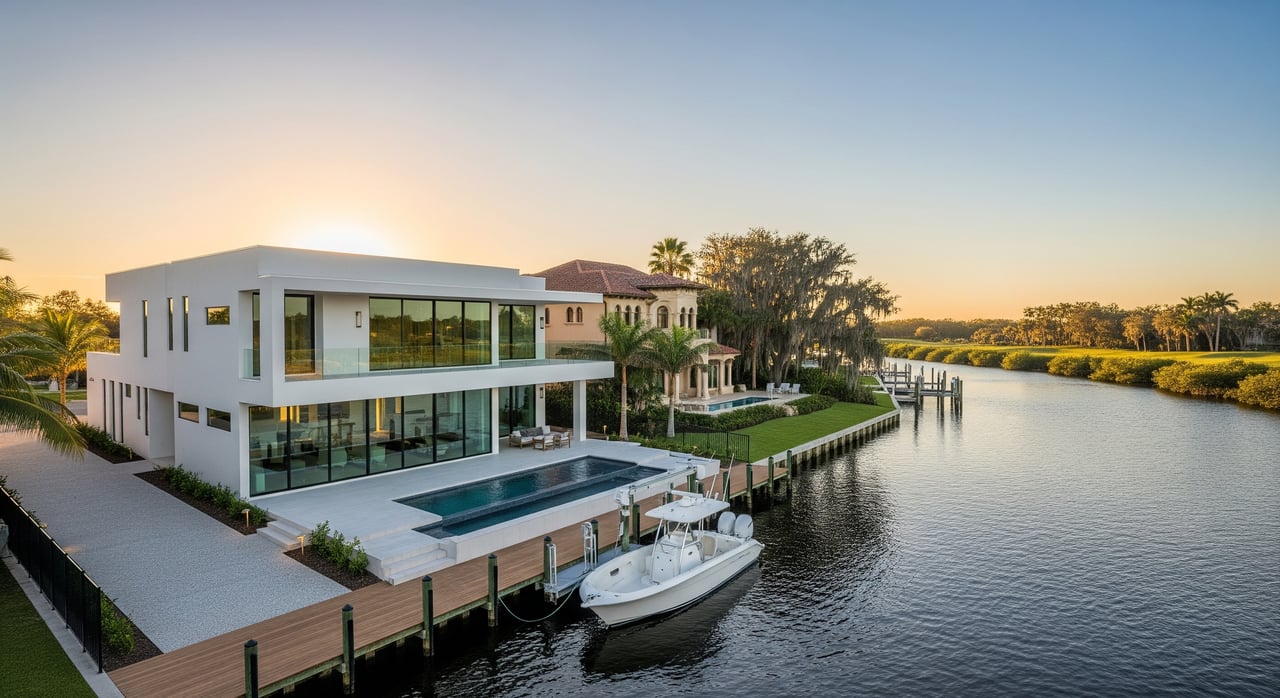
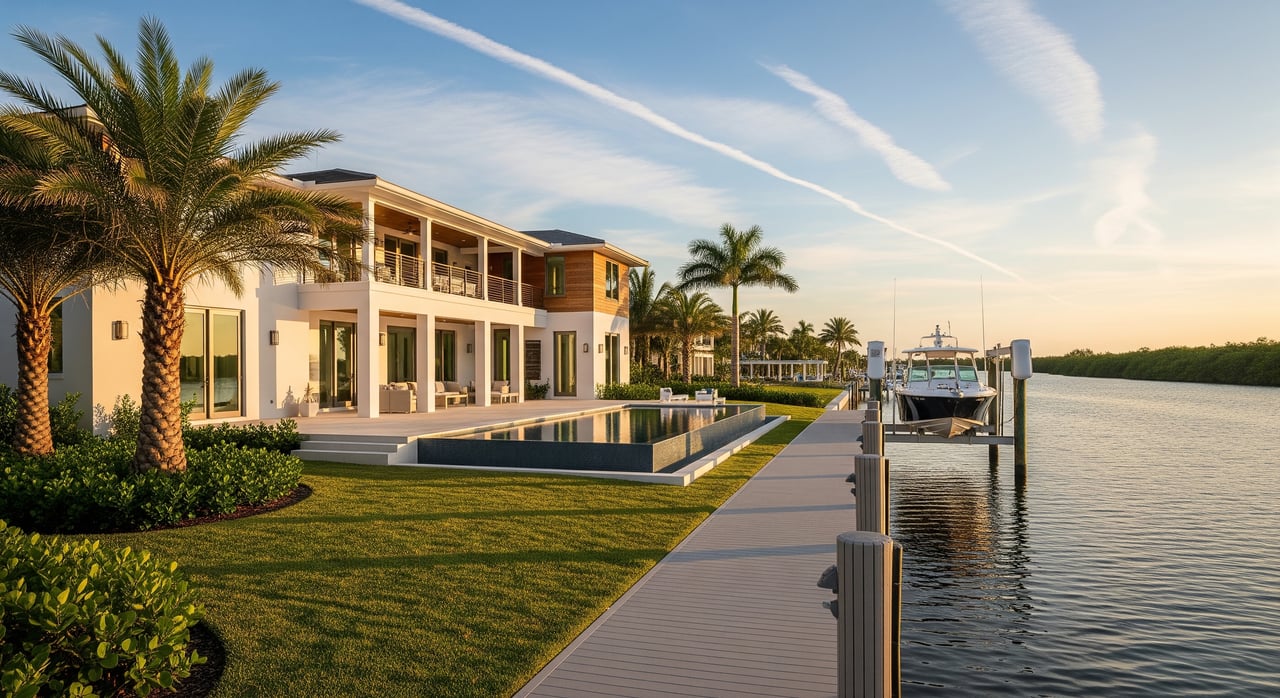
- Waterfront and luxury homes: These attract buyers year-round and are often marketed continuously. Showings still tend to rise in winter when more out-of-area buyers are in town.
- Condos and short-term-rental options: Interest climbs in winter when investors and seasonal users align with the visitor calendar. Rental potential during peak visitor months can influence valuation.
- Primary-residence homes: Seasonality is present but can be less pronounced. Local job cycles and personal timing often matter more than visitor traffic.
Hurricane season and insurance basics
Hurricane season runs June 1 through November 30. During this time, buyers and lenders often focus on wind mitigation, roof age, and insurance availability. Quotes can take longer and costs may fluctuate with storm activity. Building in time for insurance review and having current inspection reports can keep a deal on track.
Tips for buyers and sellers during hurricane season
- Order wind mitigation and 4-point inspections early if needed.
- Share recent maintenance and mitigation improvements to support insurance quotes.
- Stay flexible on closing dates if storms impact scheduling.
Timing and transaction logistics
- Inspections and repairs: Schedules are tight in peak season, which can affect contract deadlines.
- Appraisals and lending: Activity rises with winter demand. Pre-approval and fast document turnarounds reduce delays.
- Closings and title: Operations are year-round, but busy months can create slight bottlenecks. Early coordination helps.
Investor and rental considerations
Winter months tend to be the highest-revenue period for short-term rentals. That demand can boost interest in STR-capable properties during peak season. Buying in the off-season can provide negotiation leverage, and you can line up management handoffs and vendor relationships before the next high-traffic window.
Quick planning checklists
Seller checklist by season
- Winter to early spring: Finalize pricing, professional marketing, and showing plans. Prepare for high traffic and fast decisions.
- Late spring to summer: Focus on differentiation and flexible terms to attract qualified buyers.
- Late summer to early fall: Keep insurance documentation current and highlight mitigation features.
Buyer checklist by season
- Winter to early spring: Get pre-approved, prepare for multiple offers, and book inspectors early.
- Late spring to summer: Leverage slower pace for negotiation and due diligence.
- Late summer to early fall: Review insurance early and plan for flexible timelines around storms.
How to time your move
Your best timing depends on your goals. If you want maximum exposure and potentially faster results, plan to list in winter or early spring. If you prefer less competition as a buyer, target summer into early fall. For luxury and waterfront homes, expect interest year-round, with a bump during winter visits.
Ready to map your timeline to the Vero Beach calendar? Reach out for a tailored plan that fits your goals, whether you are selling a waterfront estate or searching for a condo near the beach. For concierge guidance and local insight across Indian River County, connect with Alexis Miller.
FAQs
When do most Vero Beach listings hit the market?
- Many sellers target late December through April for maximum exposure, with activity peaking in winter and early spring.
When are the most buyers physically touring in Vero Beach?
- Buyer foot traffic typically peaks December through April, driven by seasonal residents and visitors.
Is off-season better for buyers in Indian River County?
- Summer and early fall can offer fewer competing bidders and more negotiation room, though inventory may be lighter.
How does hurricane season affect Vero Beach transactions?
- June 1 to November 30 can bring added focus on wind mitigation, insurance quotes, and flexible timelines around storms.
Do waterfront and luxury homes follow the same pattern?
- They draw interest year-round, though showings often rise in winter when more out-of-area buyers visit.
How should a seasonal buyer plan a purchase visit?
- Secure pre-approval, schedule tours during December to April if possible, and plan inspections and closing steps around travel dates.