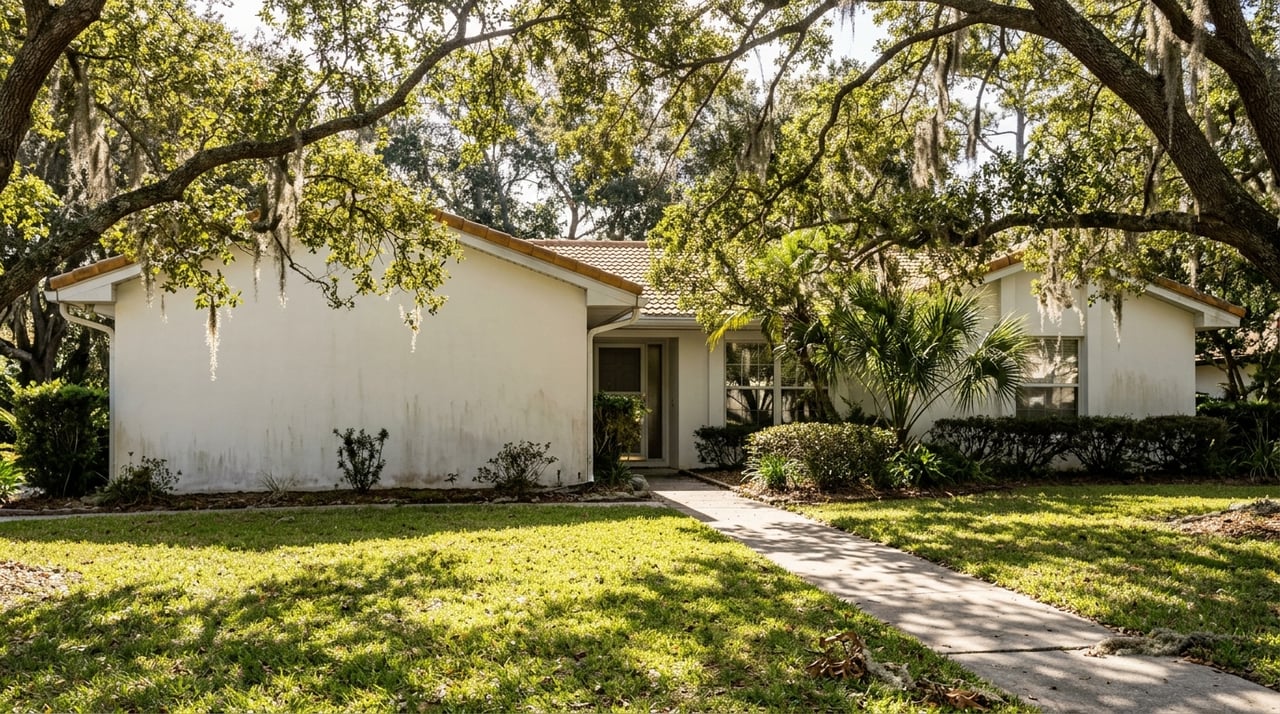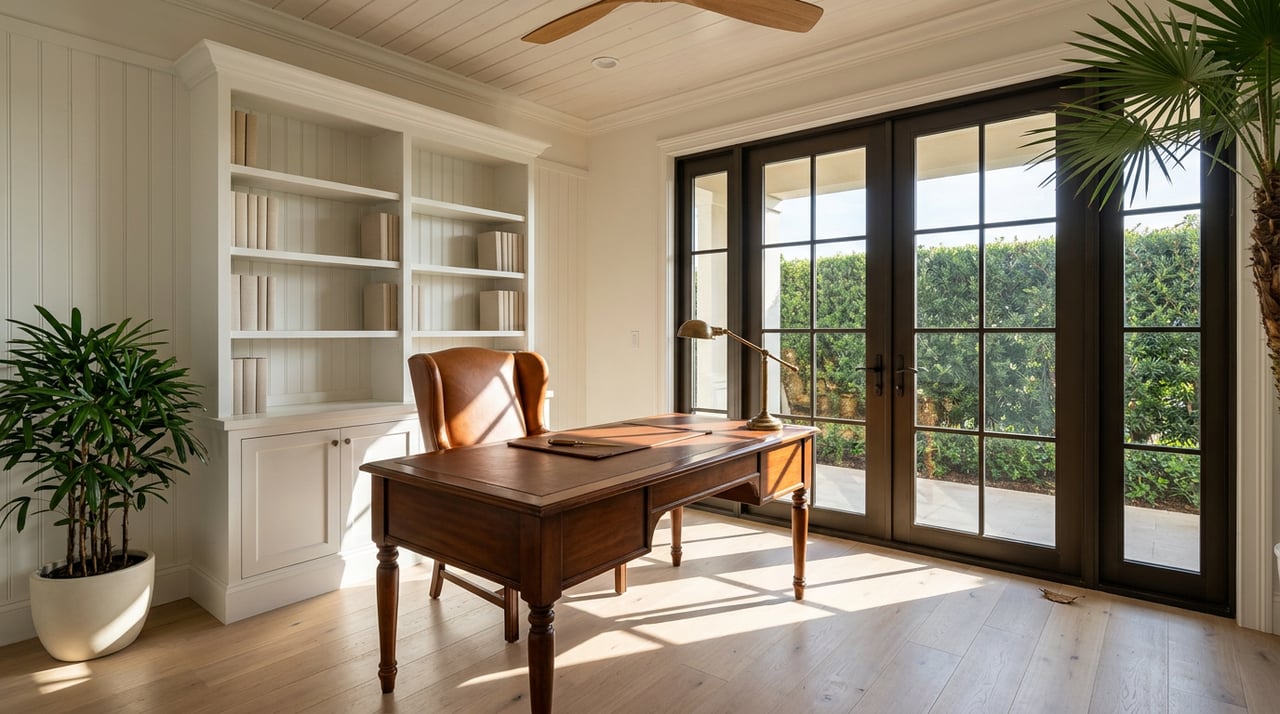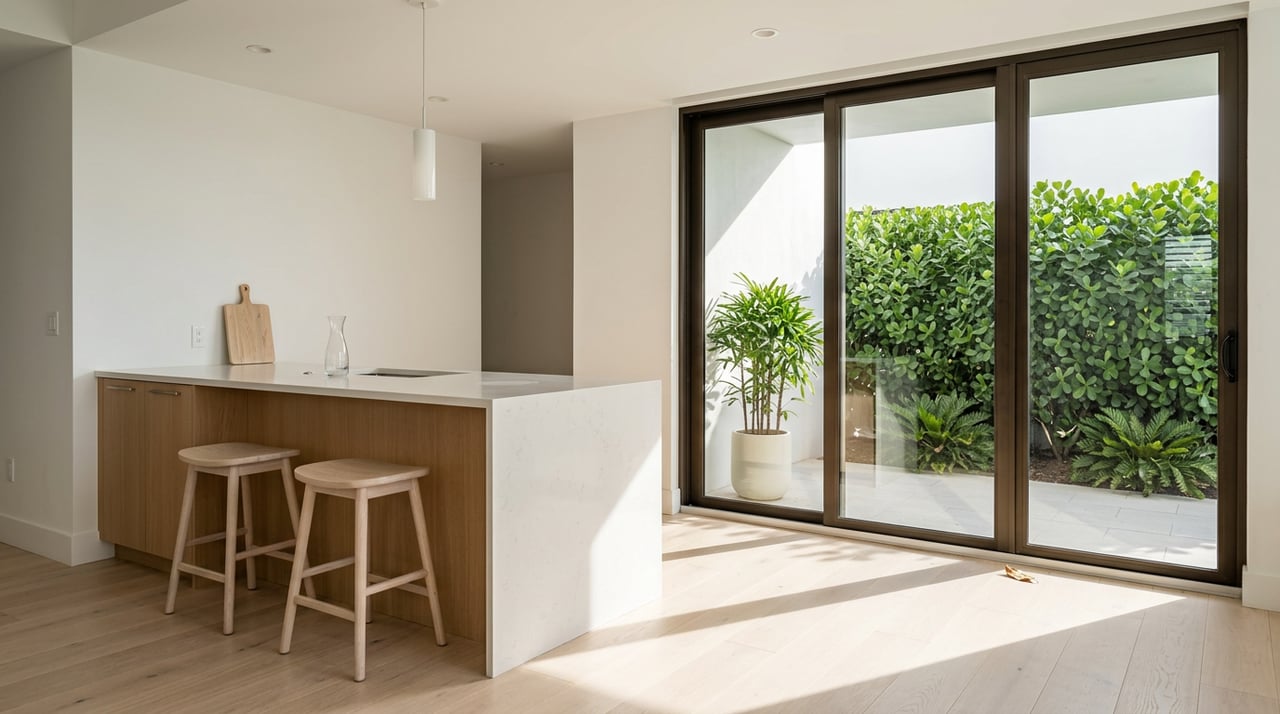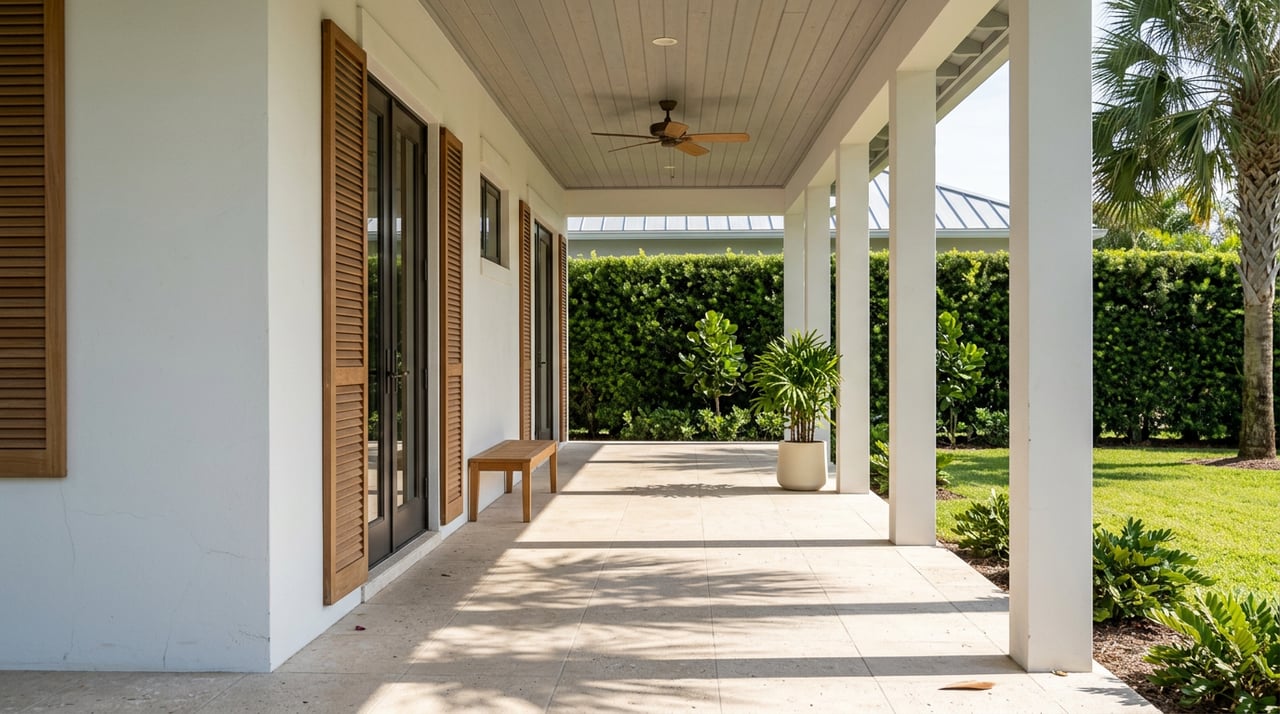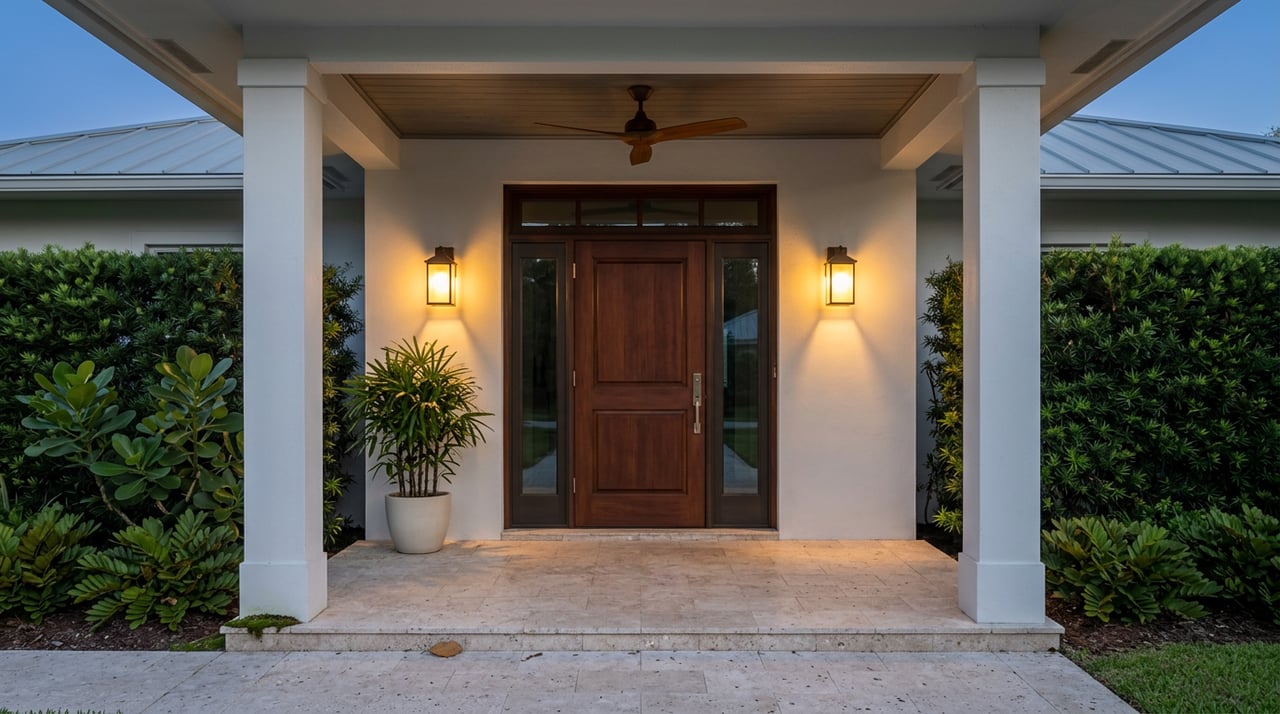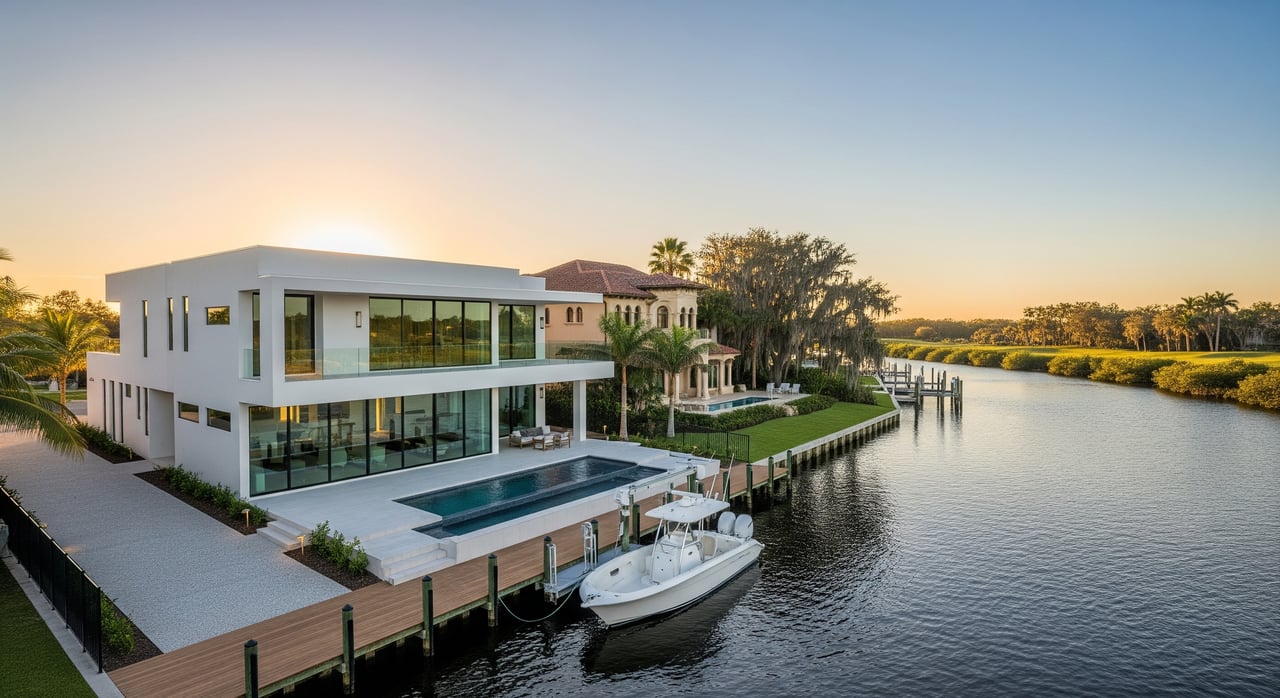
Thinking about buying in Windsor but not sure if a new-build or a resale is the better fit? You are not alone. In Indian River County, the decision often comes down to cost, timing, and how much certainty you want. In this guide, you will compare pre-construction and resale options side by side, learn what matters most in a coastal community, and leave with a practical checklist to protect your investment. Let’s dive in.
Windsor context: what shapes value
Windsor is a planned community in Indian River County, part of Florida’s Treasure Coast. Communities like Windsor often have homeowners associations and sometimes community development district assessments. These fees and assessments can affect your monthly carrying costs, so you should review them early.
Indian River County is coastal and experiences hurricanes, strong winds, and flood risk. Flood zone designations, elevation, and wind mitigation features influence both mortgage and insurance costs. Whether you buy new or resale, verify the FEMA flood zone, request elevation information when available, and ask about roof and window ratings that may qualify for insurance credits.
If you are looking at a specific phase or section of Windsor, confirm development boundaries, recorded plats, and amenity timelines. Phasing can affect your daily experience and future value if amenities are not yet complete.
Pre-construction benefits and risks
Price and incentives
Builders set pricing and may offer early-phase incentives, which can include design upgrades or closing-cost contributions. Your final price can change as you select finishes and options. Future value depends on how the community and the wider market perform by the time you close.
Deposits and closing costs
Expect an initial deposit and sometimes additional deposits at milestones like options selection or after certain construction steps. Terms vary by builder and some portions can be nonrefundable after due-diligence periods, so review the contract closely. Builder incentives may offset certain closing costs, but you should still plan for typical lender and title fees.
Timeline and construction risk
Build schedules can shift with weather, permitting, supply chains, and labor. Your contract should state an estimated completion date and any remedies if delivery is delayed. Before closing, confirm final inspections and the certificate of occupancy, and be aware that community phasing can delay access to certain amenities.
Financing and appraisal
You may use builder-affiliated financing, a construction-to-permanent loan, or a lender construction loan. These often require different qualifications and staged fund disbursements. Lenders typically order an appraisal based on plans and specs or a subject-to-completion value, which creates appraisal gap risk if comparable sales do not support the price.
Inspections and warranties
Even with a reputable builder, arrange independent inspections at key stages, such as pre-drywall and the final walkthrough. Confirm your contract allows inspections by a licensed inspector. Builders usually provide limited new-home warranties covering workmanship or structural items, so get the coverage, terms, and claim process in writing.
Title, surveys, and disclosures
Verify that the lot has clear title and that the plat, covenants, and restrictions are recorded. Ask whether any developer or infrastructure liens exist. Obtain a title commitment and owner’s title insurance to protect your interests.
HOA, CDDs, and assessments
Request the full HOA document set, including budgets, rules, and any plans for special assessments. In Florida, CDD assessments, if present, typically appear on the property tax bill. Understand how these charges impact your long-term cost profile.
Insurance and resiliency
New construction often reflects current Florida Building Code standards for wind and structural resilience. Ask for documentation on elevation, roof, windows, and other mitigation features that may improve insurability and costs. Obtain insurance quotes early so you can budget accurately.
Resale value and liquidity
New finishes and efficient floor plans can be attractive. However, if many similar homes are delivered at once, future competition can be high. Your resale value may depend on overall community completion and local demand trends.
Resale benefits and risks
Price and negotiation
Resale pricing is anchored to recent comparable sales, which helps you gauge fair value. You have more room to negotiate based on condition, days on market, and seller timing. You can see the home’s current state and factor repair or improvement needs into your offer.
Deposits and closing costs
Earnest money on a resale is usually refundable within contingency periods, subject to the contract. Closing costs are negotiated and include standard lender and title charges.
Timeline certainty
Resales typically close faster than new-builds once financing and inspections are complete. You can negotiate possession dates to line up with your move or a sale on your current home.
Financing and appraisal
Conventional, FHA, VA, and USDA loans are commonly used on existing homes, subject to property condition and appraisal. The appraisal relies on current comparable sales, which can simplify underwriting.
Inspections and disclosures
Independent inspections are standard on resales and can uncover immediate repair items. Florida practice expects sellers to disclose known material defects. You can use findings to request repairs or credits.
Title and surveys
You should receive a title commitment and obtain owner’s title insurance. Your lender may require a new or updated survey depending on property and loan requirements.
HOA, CDDs, and assessments
Ask for HOA governing documents, current dues, budgets, and any pending special assessments. Confirm whether a CDD exists and how it is reflected on the tax bill. Include these recurring costs in your total cost analysis.
Insurance considerations
Older roofs, windows, or elevation profiles can influence insurance availability and pricing. Obtain quotes early and ask about wind mitigation inspections that could help with premiums.
Resale expectations and updates
Resales provide clear comparable sales to frame future value. Older homes may need updates to align with current buyer preferences, so plan for repair or improvement budgets.
Key differences at a glance
- Pricing approach: Builders set prices and may offer incentives on pre-construction, while resales follow recent comps that clarify fair value.
- Upfront money: Pre-construction deposits can be larger and become nonrefundable after set milestones; resale earnest money is often refundable within contingencies.
- Timing: New-build timelines can shift with weather and permitting; resales usually offer quicker and more certain closings.
- Financing: New construction may require construction-to-perm or staged loans and a subject-to-completion appraisal; resales typically use conventional, FHA, VA, or USDA loans.
- Inspections and warranties: New homes include builder warranties and should still be independently inspected; resales rely on buyer inspections and disclosure, with no builder warranty.
- Risk profile: Pre-construction carries construction and appraisal risk tied to future conditions; resales show you existing condition and comps today.
Total cost and monthly budget
A smart comparison goes beyond list price. Map out the full cost picture for each option:
- HOA dues and rules: Review budgets, rules, and any planned assessments that could affect costs and use of amenities.
- CDD assessments: If present, these appear on the property tax bill and can be significant over time.
- Insurance: Get quotes for homeowners and flood coverage, and confirm available wind mitigation credits based on roof, windows, and elevation.
- Property taxes: Contact the Indian River County Property Appraiser and Tax Collector for tax history, exemptions, and estimated taxes on new construction.
- Utilities and services: Confirm hookup responsibilities and costs for sewer, water, irrigation, and stormwater.
Windsor buyer due diligence checklist
- Contracts and financing
- Have a local agent review all agreements, especially builder contracts.
- Get pre-approval and confirm construction or permanent loan terms early if you are building.
- Builder and development vetting
- Verify the builder’s license through the Florida Department of Business & Professional Regulation.
- Ask for references and drive by completed projects to assess quality.
- Check for open permits, liens, or litigation during title review.
- Documents to request
- Builder contracts, specs, floor plans, allowance schedules, and warranty details.
- HOA governing documents, budget, reserve study, meeting minutes, rules, and common area insurance.
- Recorded plat, covenants, and any master development agreement or phasing plan.
- Site checks
- Confirm FEMA flood zone and request an elevation certificate when available.
- Verify whether site work or fill is required to meet base flood elevation.
- Confirm utility connections and associated costs.
- Inspections and walkthroughs
- Schedule independent inspections at pre-drywall and final stages for new-builds.
- Do a detailed final walkthrough and get punch-list commitments in writing.
- Closing, title, and insurance
- Use a reputable local title company and obtain owner’s title insurance.
- Request homeowners and flood insurance quotes early and confirm wind mitigation credits.
- Timeline and remedies
- Confirm estimated completion date, deposit refund terms, and remedies if delivery is delayed.
Selling a Windsor resale
- Pricing and positioning: Use recent MLS comps and highlight features local buyers value, such as storm-hardened windows, elevation, and recent roof or HVAC updates.
- Condition and disclosure: Consider a pre-listing inspection to surface issues and complete Florida disclosure forms accurately for known material defects.
- Marketing and timing: Coordinate possession dates if you are also buying pre-construction to avoid gap housing. Share HOA contact, dues, and any pending assessments with buyers.
Which path fits your goals
Choose pre-construction if you want modern plans and finishes tailored to your preferences and you are comfortable with a variable timeline and staged deposits. Choose resale if you want price clarity from existing comps, a faster move, and the ability to evaluate condition today.
If you are comparing two specific homes, build a simple side-by-side that includes total out-of-pocket at contract, estimated monthly costs including HOA and CDDs, estimated insurance, and your expected move date. A clear, apples-to-apples snapshot makes the decision easier.
Ready to map your options in Windsor with local precision and a calm, step-by-step plan? Connect with Alexis Miller to build a tailored strategy and see the right opportunities at the right time.
FAQs
Is it cheaper to buy pre-construction or resale in Windsor?
- It depends on builder incentives, upgrade selections, and market conditions; resales are anchored to current comps, so compare total costs including HOA or CDDs, insurance, and likely upgrades.
Are pre-construction deposits refundable in Indian River County?
- Refundability depends on the builder contract and milestone terms; some deposits become nonrefundable after certain periods, so review the contract and timeline carefully.
Do I need a survey for a new-build lot in Windsor?
- Lenders often require a survey or rely on the recorded plat for new subdivisions; confirm the requirement with your lender and title company.
How does flood insurance impact costs for Windsor homes?
- Premiums depend on FEMA flood zone, elevation, and building features; new construction built to higher standards may qualify for lower rates, so get quotes early.
Will a lender appraise a home that is not yet built?
- Yes, lenders can use a subject-to-completion appraisal based on plans and comparable new construction, but there is risk if comps do not support the price.
What should Windsor sellers prepare when listing a resale?
- Provide accurate disclosures, HOA documents, and highlight resiliency features and recent system updates; consider a pre-listing inspection to address issues upfront.