Thinking about an oceanfront condo at The Village Spires? You’re not alone. The views and walk-to-beach lifestyle are a big draw, but smart buyers know the details behind the scenery matter just as much as the view. In this guide, you’ll learn how to evaluate units, understand the association’s health, assess coastal risks, and line up lending and insurance the right way. Let’s dive in.
The Village Spires basics to compare
Floor plans and layouts
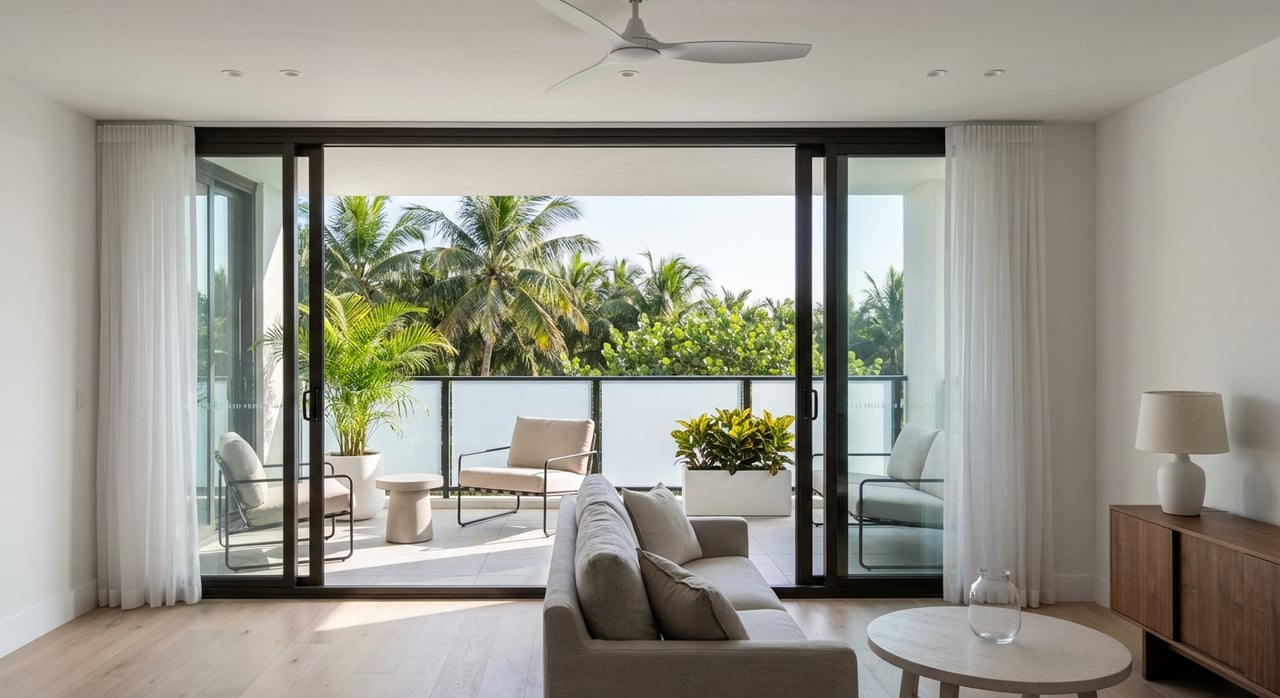
Most buildings like The Village Spires offer single-level 1–3 bedroom plans, with corner residences that often provide wider window lines and wrap-style balconies. Confirm exact bed/bath counts, interior square footage, and how the declaration defines your balcony and storage. Ask whether balconies are deeded limited common elements or part of the common elements, since that affects maintenance responsibility.
Views, orientation, and noise
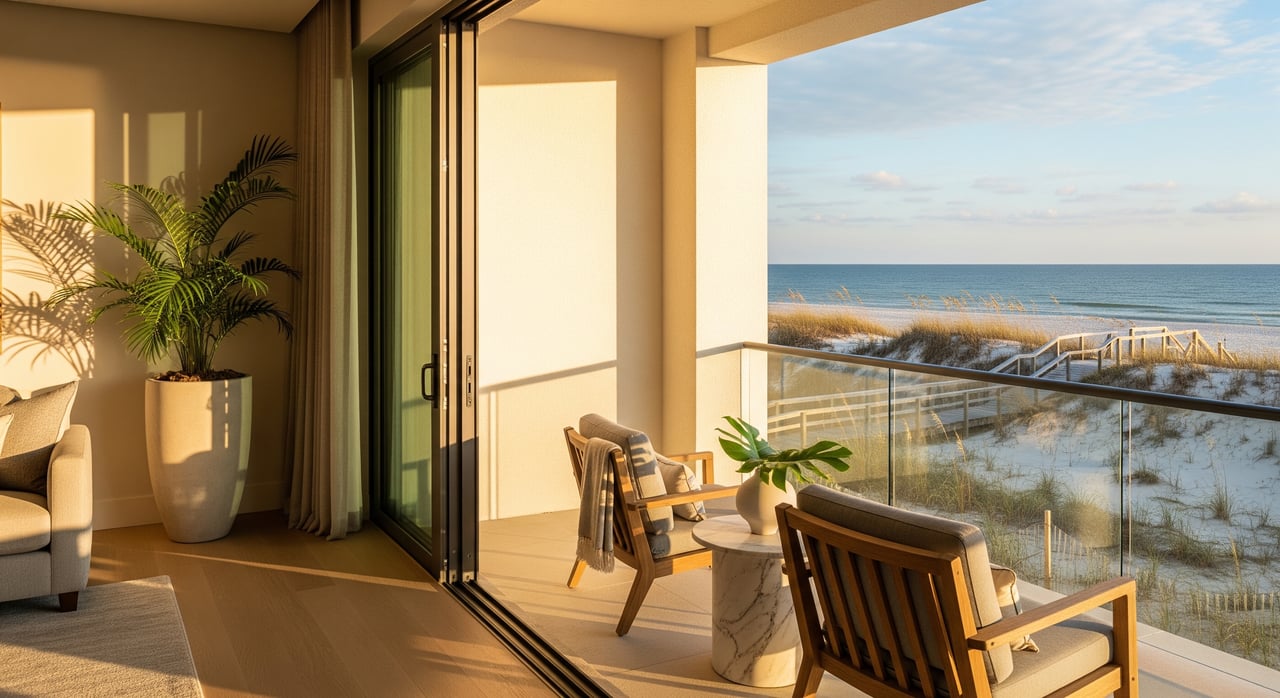
East-facing units typically capture sunrise and primary ocean views. West or south exposures can offer sunset or river vistas, depending on the stack. Request a building orientation map to verify “true” ocean views and check for potential noise near pools, service areas, or beach access paths. Consider sun and wind exposure on balconies and how that affects daily comfort.
Balconies and safety
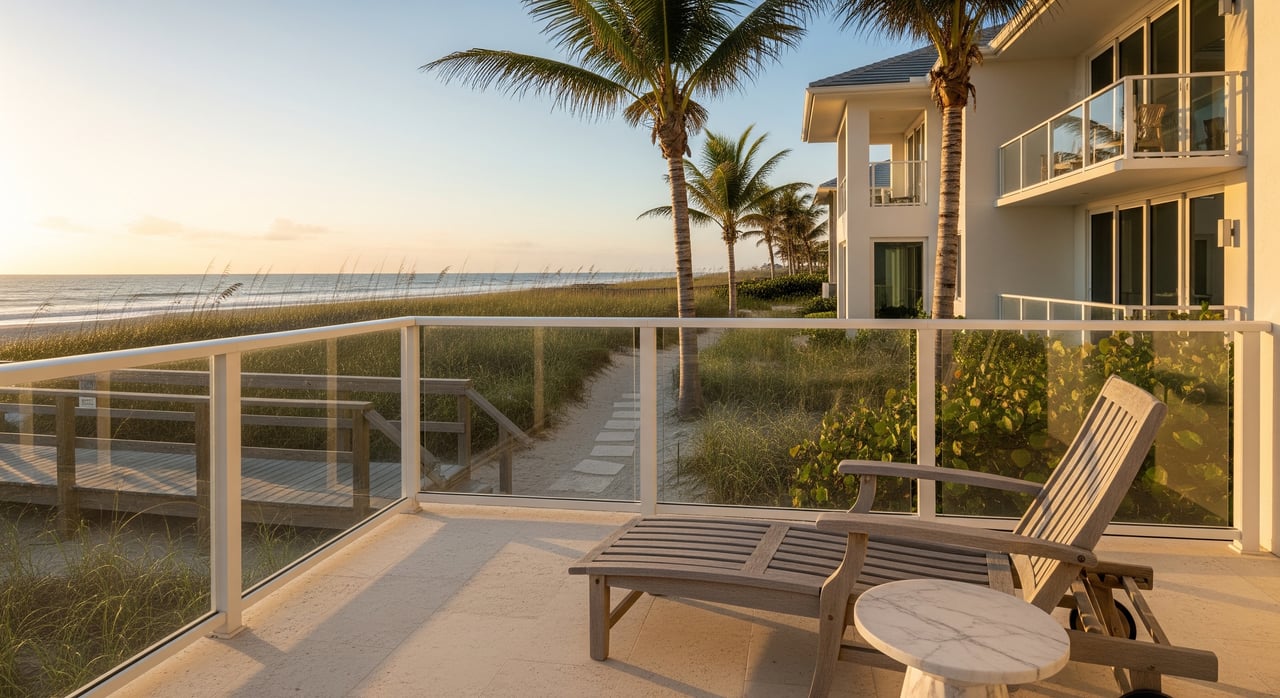
Inspect balcony surfaces and railings for signs of concrete spalling or rust, and ask about prior waterproofing or coating projects. Clarify who repairs what if a balcony issue arises. The declaration’s definition of limited common elements will guide responsibility.
Parking and storage
Confirm if parking is deeded or assigned, covered or uncovered, and the number of spaces per unit. Ask about guest parking rules and any storage lockers that convey with the sale. In oceanfront towers, storage location and size can vary by stack and floor.
Elevators and access
Elevators are mission-critical in high-rises. Ask about the number of cars, dates of modernization, recent outage history, and planned upgrades. Review access features like key fobs, vendor entry procedures, and guest registration rules for security and convenience.
In‑unit systems and storm protection
Confirm the age and service history of your HVAC and water heater, and whether owner or association handles specific components. Ask if plumbing stacks have been replaced and the type of piping in the building. Verify hurricane protection for windows and sliders, such as impact glass or shutters, and how approvals work for upgrades.
Amenities and use policies
Expect private beach access, pool areas, possibly a fitness room or social spaces, and on-site or professional management. Confirm hours of operation, guest permissions, and reservation rules. If you’re comparing The Village Spires Vero Beach FL real estate for sale, ask for any season-specific restrictions that could affect your plans.
Read the association like a pro
Required resale disclosures
Florida’s Condominium Act outlines resale disclosures you should receive in a standard purchase. Review the resale certificate carefully. You can read the law in Florida Statutes, Chapter 718 and use it as a checklist for what to expect.
Budgets, reserves, and assessments
Ask for the current budget, most recent financial statements, and the latest reserve study. Compare reserve balances against upcoming projects like roofs, concrete restoration, painting, or elevator work. Guidance from the Community Associations Institute can help you understand best practices for reserve funding and what “adequately funded” looks like in a condo.
Insurance and deductibles
Request the master policy declarations for property, wind, flood (if applicable), D&O, and fidelity. Note the hurricane deductible and how the association allocates it after a claim. For your personal coverage, an HO-6 policy with loss assessment coverage is common for condo owners. Confirm if the association carries a flood policy for common areas and whether your lender will require a separate unit or building-level policy.
Minutes, projects, and litigation
Board meeting minutes for the past 12 to 24 months often reveal what’s next: planned capital projects, engineering reports, and any disputes. If there is pending litigation, your lender may require additional documentation. Significant disputes can affect insurance pricing and reserve planning, so read closely.
Rental and occupancy rules
Ask for written rental policies, pet rules, and guest restrictions. Short-term rental limits can influence both lifestyle and financing. Be sure the minimum lease term fits your goals.
Lender project eligibility
Many loans depend on condo project approval and the building’s financial and legal profile. Have your lender run a project review early and confirm owner‑occupancy rates, reserve funding, and litigation status. See program standards at Fannie Mae’s project standards, Freddie Mac’s condominium requirements, and the FHA condo approval search.
Florida coastal risks to understand
Flood zones and elevation
Oceanfront buildings may sit in Special Flood Hazard Areas. Check the property’s FEMA zone, base flood elevation, and any Elevation Certificate available from the association. You can view maps at the FEMA Flood Map Service Center. Lenders often require flood insurance based on this data.
Wind, envelope, and corrosion
Coastal wind, salt, and moisture accelerate wear on concrete, railings, and window systems. Ask for documentation of past concrete repairs, exterior coatings, and roof or anchor updates. If you plan to rely on credits for wind mitigation, arrange a qualified inspection to confirm features like impact-rated glass or shutters.
Beach erosion and nourishment
Beach alignment changes over time. Review whether the shoreline has active or planned nourishment projects and if dune walkovers or access points require permits. The Florida Department of Environmental Protection’s beaches program provides background on coastal management and nourishment activity. Ask whether beach access is private or public and if easements are recorded.
Permits and engineering history
Check local permit records for balcony restoration, elevator work, exterior painting, roofing, or structural repairs. The City’s portal is a helpful starting point for in-city properties. Visit the City of Vero Beach Building Division or the county’s Community Development Department to search permits and inspections.
Your Village Spires due diligence checklist
Documents to request
- Resale certificate packet with assessments, reserves, insurance summary, and litigation disclosures
- Declaration, bylaws, articles, and current rules and regulations
- Current budget, last two fiscal-year financials, and the latest reserve study
- Board meeting minutes for the past 12 to 36 months
- Master insurance declarations, including wind and flood; note the hurricane deductible
- Unit deed and limited common element assignments for parking, storage, and balconies
- Recent permits and engineering reports for structural or envelope work
- Elevation Certificate and FEMA zone info for the building and unit
- Rental, pet, parking, and renovation approval policies
Inspections to schedule
- General home inspection for the unit’s systems and interiors
- Balcony and railing review where allowed; check for spalling and waterproofing
- Envelope and roof walkthrough with a qualified engineer if records suggest pending work
- Wind mitigation or impact-window inspection to confirm protective features
- Moisture, mold, or termite inspections as needed
Questions to ask
- What is the current reserve balance and date of the last reserve study?
- Have there been special assessments in the past 5 to 10 years? Any planned now?
- What percentage of units are owner-occupied? What is the current delinquency rate?
- What does the master insurance cover and what is the wind deductible? Any claims in the past 5 to 10 years?
- Are parking and storage spaces deeded to the unit? What are guest parking rules?
- What are the rental rules and minimum lease terms?
- Who maintains HVAC, water heaters, sliders, balcony surfaces, and screens?
- Are there renovation restrictions or approval timelines for interior work?
- Is beach access private or subject to easements or permits?
Timing and financing
- Ask your lender to complete a condo-project eligibility review before you write an offer
- Build in time to receive and review association documents per Florida statutory timelines
- Budget for inspections, an HO‑6 policy, and any immediate maintenance items after closing
Smart next steps
Buying at The Village Spires should feel exciting and well informed. Once you identify a promising unit, line up documents early, talk to your lender about project eligibility, and review the association’s budget, reserves, and insurance in detail. If you want a curated list of oceanfront options and help navigating the due diligence, connect with Alexis Miller to compare stacks, review disclosures, and schedule private showings. Schedule Your Personalized Vero Beach Consultation.
FAQs
What should I review first when buying a Village Spires condo?
- Start with the resale certificate, current budget, reserve study, master insurance summary, and the last 12 to 24 months of board minutes.
How do I check flood risk for The Village Spires location?
- Look up the property on the FEMA Flood Map Service Center and request the building’s Elevation Certificate from the association or manager.
Will lenders finance condos at The Village Spires?
- Many lenders will, provided the project meets program standards for reserves, owner‑occupancy, and litigation; ask your lender to run a review under Fannie Mae, Freddie Mac, or FHA guidelines early.
What does the master insurance typically cover in oceanfront condos?
- The association’s master policy usually covers the structure and common elements, with a separate wind deductible; owners carry HO‑6 policies for interiors and loss assessment.
How can I verify past repairs like balcony or concrete work?
- Review board minutes and engineering reports, then search permits through the City of Vero Beach Building Division or the county’s Community Development Department.