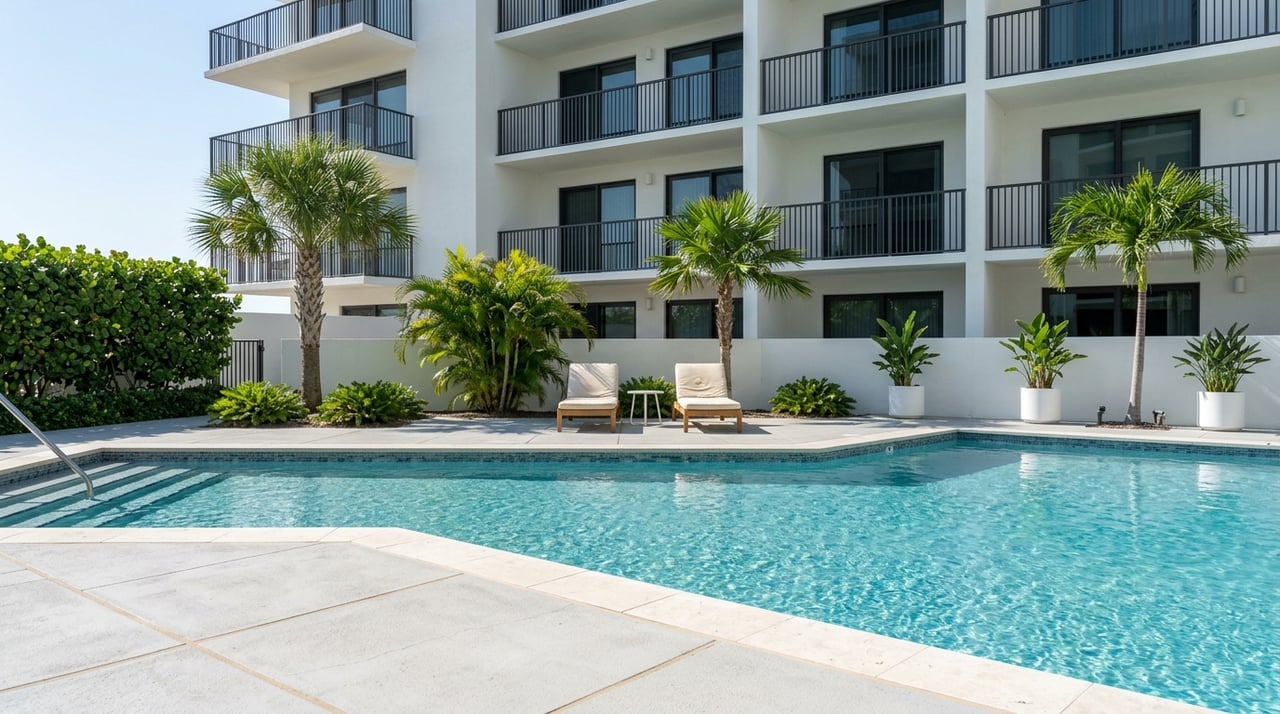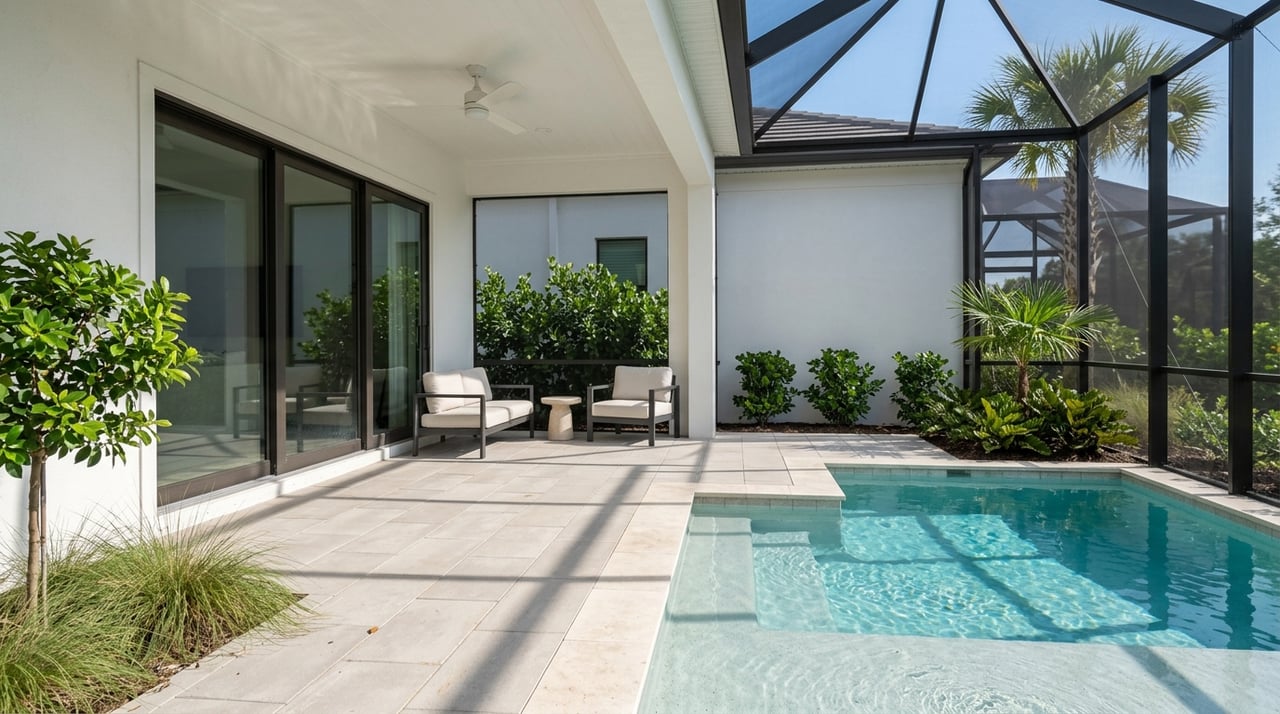
Picture your own quiet path over the dunes, a place to store your beach gear, and a shaded spot to grab lunch without leaving the shoreline. If you have been eyeing Johns Island in Vero Beach, you have likely heard the phrase “beach club community” and wondered what it really means for your day-to-day life. You want privacy, convenience, and a clear understanding of how membership, fees, and rules actually work. This guide breaks down the essentials so you can decide if a beach club lifestyle on Johns Island is the right fit. Let’s dive in.
What a beach club community means
A beach club community is a residential area, often gated or private, that provides residents access to a dedicated beach-focused facility and amenities. The club typically serves owners and their guests with features like private beach access, restrooms and changing areas, pools, lounges, and occasionally on-site dining. Some include towel service, social events, or storage for water-sports gear.
These communities usually follow one of two governance models. In some, beach club access is built into the association dues. In others, the beach club operates as a separate private club that requires its own membership with initiation and annual fees. Guest policies, parking controls, and operating rules are standard, and they can vary by community.
Johns Island in local context
Johns Island sits within the Vero Beach area of Indian River County along Florida’s Atlantic coast. The setting includes barrier-island beaches on the ocean side and the Indian River Lagoon on the west, which creates a true coastal lifestyle. With this environment come common coastal considerations such as hurricane and tropical-storm exposure, flood zones, dune systems, and seasonal sea-turtle protections.
As you evaluate homes near the beach, it helps to understand local emergency planning, evacuation routes, and how the community manages dunes and beach access points. Many private clubs manage upland facilities and parking, while public beach access in Florida generally exists seaward of the mean high-water line. Knowing the distinction helps you understand where privacy and amenities begin.
Typical amenities and operations
While each Johns Island subdivision or club may differ, you can expect a beach club to offer some combination of:
- Private beach access with maintained dune crossovers and protection measures.
- On-site facilities such as a clubhouse, restrooms, storage areas, and possibly a snack bar or restaurant.
- Pool and lounge areas that provide a resort-like setting steps from the ocean.
- Parking management to control access and support guest policies.
- Rules and hours detailing seasonal operations, guest limits, equipment storage, and safety. Lifeguard presence is not guaranteed and varies by club.
Many coastal clubs also coordinate dune maintenance, lighting compliance during sea-turtle nesting season, and periodic repairs following storms. In some communities, funding for these projects comes from HOA dues, separate club assessments, or special assessments after major weather events.
Membership and fees: what to verify
Do not assume beach club access automatically comes with a home purchase. On Johns Island, the access model can vary by subdivision or by the specific club. Before you get serious about a property, confirm these details in writing:
- Access model: Is the beach club part of the HOA, or is it a separate private club with its own membership, initiation fee, and annual dues?
- Transferability: Does ownership include a transferrable membership, or is there a waiting list or approval process? Are there membership caps?
- Guest and rental rules: How are day guests handled? Are renter passes allowed if you lease your home, and what is the process?
- Assessments and reserves: What is the history of special assessments for storm repairs or beach and dune work? How are reserves funded?
- Parking and transportation: How many spaces are available to members, and what are the rules for guests?
- Legal and maintenance obligations: Who is responsible for seawalls, dune crossovers, and any easements tied to your parcel?
Getting clarity early helps you plan your budget and avoid surprises after closing.
Buyer checklist for Johns Island beach-club homes
Use this checklist to streamline your due diligence:
- Governing documents: Request HOA or condo declarations, covenants, bylaws, articles, and any separate beach club agreements.
- Fee structure: Review current HOA dues, club initiation and annual fees, and any pending or recent special assessments. Ask for reserve studies if available.
- Membership transfer policy: Verify if a membership travels with the property and what approvals or costs are required.
- Rental rules: Confirm short-term rental restrictions, minimum lease terms, and guest registration or pass requirements.
- Insurance and flood risk: Identify the FEMA flood zone for the specific parcel, obtain flood and wind/hurricane insurance quotes early, and consider elevation certificates.
- Coastal condition: Inspect seawalls, docks, or bulkheads; look for salt-air corrosion; and assess drainage and potential moisture issues following past storms.
- Environmental compliance: Understand Florida’s Coastal Construction Control Line (CCCL) implications, turtle-lighting requirements during nesting season, and dune-protection rules.
- Permits and past work: Review permits for dune restoration, seawalls, or structural changes and confirm final inspections after any storm repairs.
Seller prep guide
If you are selling a home in a beach-club community, preparing a clear information package can speed negotiations and build buyer confidence:
- Complete HOA and club packets: Provide current governing documents, recent meeting minutes, and estoppel or resale certificates as applicable.
- Amenity and membership summary: Clearly outline what rights transfer with the property and any associated fees or approvals.
- Financial transparency: Share recent assessments, reserve fund status, and documentation for capital projects involving dunes, crossovers, or shoreline protection.
- Compliance evidence: Include proof of turtle-lighting compliance, permits for dune or seawall work, and final approvals for recent repairs.
Coastal regulations and safety to know
Florida coastal homes are subject to specific rules meant to protect people and shorelines. FEMA Flood Insurance Rate Maps determine flood zones and influence insurance and construction requirements. Florida’s CCCL can restrict development seaward of the line and typically governs dune work and shoreline structures.
Sea-turtle nesting season on Florida’s east coast usually runs from spring through fall. That period often brings lighting rules, limited nighttime beach activity, and guidance on how and where to place beach furniture. Many communities maintain dune vegetation and crossovers to reduce erosion and improve storm resilience.
Public vs private beach access in Florida
In Florida, the public generally has the right to use the beach seaward of the mean high-water line. Private communities can manage upland access, facilities, and parking. That is where a beach club adds value. You gain a maintained crossover, clean facilities, and organized parking plus clear rules that support a quieter, more predictable experience.
Insurance and budgeting on the barrier island
Coastal insurance planning typically includes two parts: property coverage that addresses wind and hurricanes, and flood insurance through the National Flood Insurance Program or private carriers. Premiums depend on your property’s flood zone, elevation, construction, and recent market underwriting trends.
Request quotes early in your home search. If you are budgeting for membership, set aside funds for initiation and annual dues if the club operates separately from the HOA. Also ask about past assessments so you can understand how the community funds major coastal repairs.
Who a beach club lifestyle fits
A beach-club setting often appeals to buyers who value privacy, a managed shoreline, and low-effort access to sand and surf. If you enjoy on-site facilities, organized guest access, and community standards that protect the beach experience, this model is a strong match. If you prefer informal public access and fewer rules, you might prefer a home near a public beach access point.
How to evaluate homes efficiently
Here is a simple approach to keep your search focused:
- Define your access needs. Decide how you plan to use the beach club, including guests and possible rental scenarios.
- Confirm the membership model. Determine whether access is included in HOA dues or offered through a separate club.
- Request full documents early. Ask for HOA, club, and assessment records before you submit an offer.
- Order coastal inspections. Include seawall, dock, roof, and moisture evaluations where applicable.
- Price with insurance in mind. Obtain wind and flood quotes, then align your offer and budget with realistic carrying costs.
Ready to explore Johns Island?
If a private, well-managed beach experience is high on your wish list, a beach club community on Johns Island could be ideal. You will want a local guide who can help you verify membership details, review documents, and line up the right inspections and insurance quotes. For a curated search tailored to your lifestyle and budget, connect with Alexis Miller for neighborhood insight and concierge-level service.
FAQs
Do homebuyers in Johns Island automatically get beach club access?
- It depends on the specific community or club; some include access in HOA dues while others require a separate membership with initiation and annual fees.
Are Johns Island beach clubs open to the public in Vero Beach?
- Most private beach clubs limit use to owners, members, and their guests, although policies for certain services can vary by club.
Can I short-term rent my Johns Island home and let tenants use the beach club?
- Many communities restrict short-term rentals or require renter registration and guest passes; verify rules before purchasing if rental income matters to you.
Do Johns Island beach clubs provide lifeguards on the oceanfront?
- Lifeguard coverage is not guaranteed; private clubs vary, and you should review each club’s safety policies and hours.
Who maintains dunes and crossovers in a Johns Island beach-club community?
- Responsibility can be shared by the HOA, the private club, or individual owners depending on easements and governing documents; confirm cost allocations in writing.
What environmental rules affect Johns Island oceanfront properties?
- Expect CCCL permitting considerations, turtle-friendly lighting requirements during nesting season, and dune-protection guidelines that influence shoreline work and nighttime beach use.