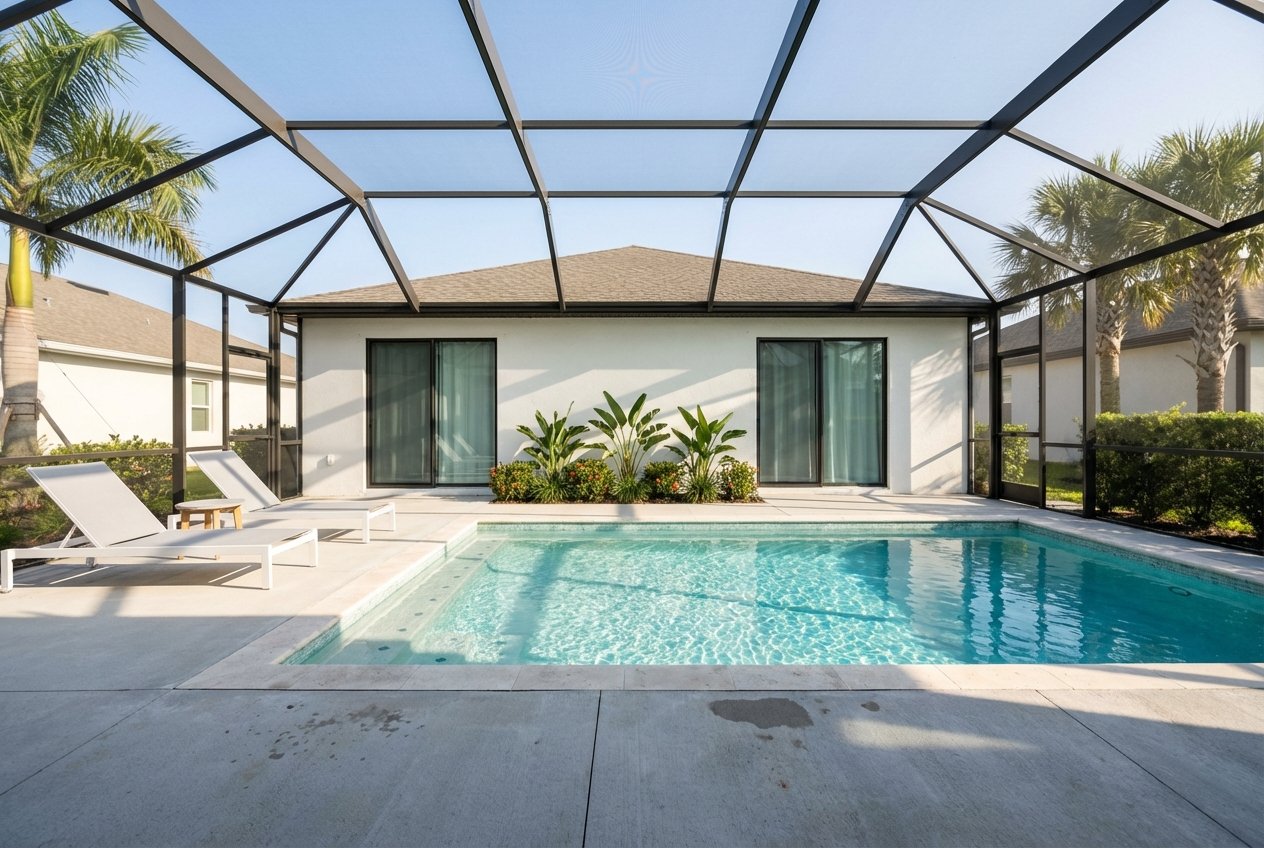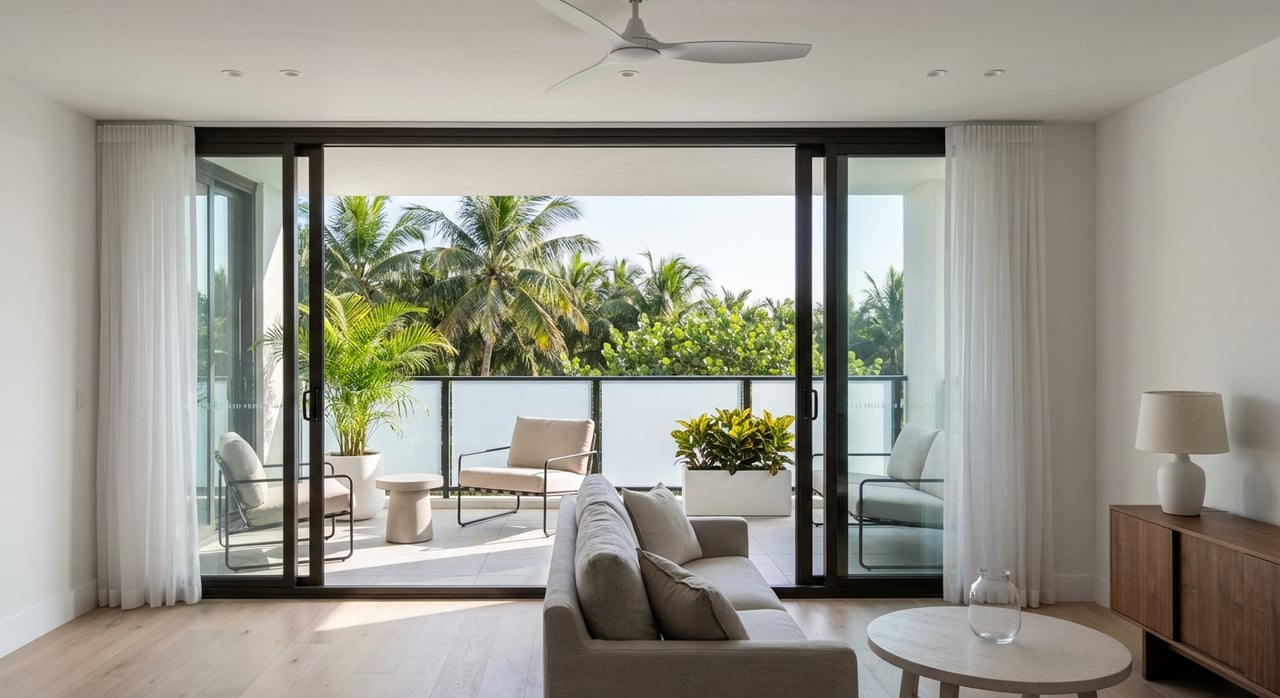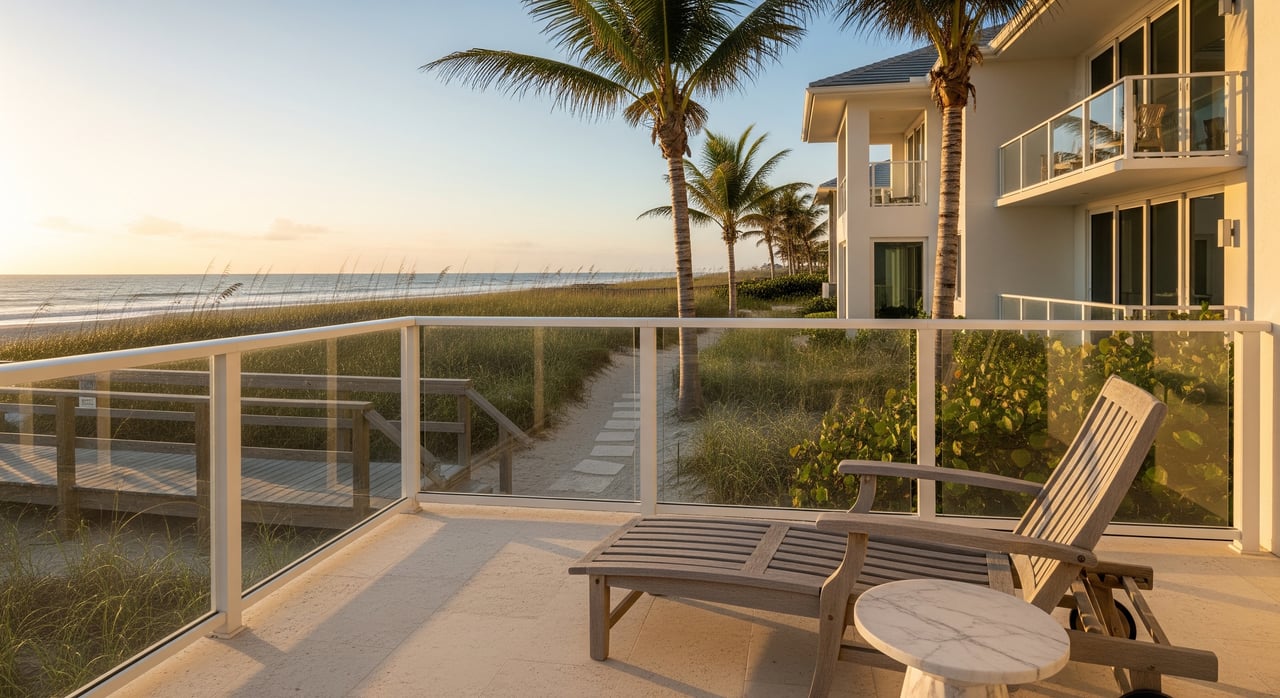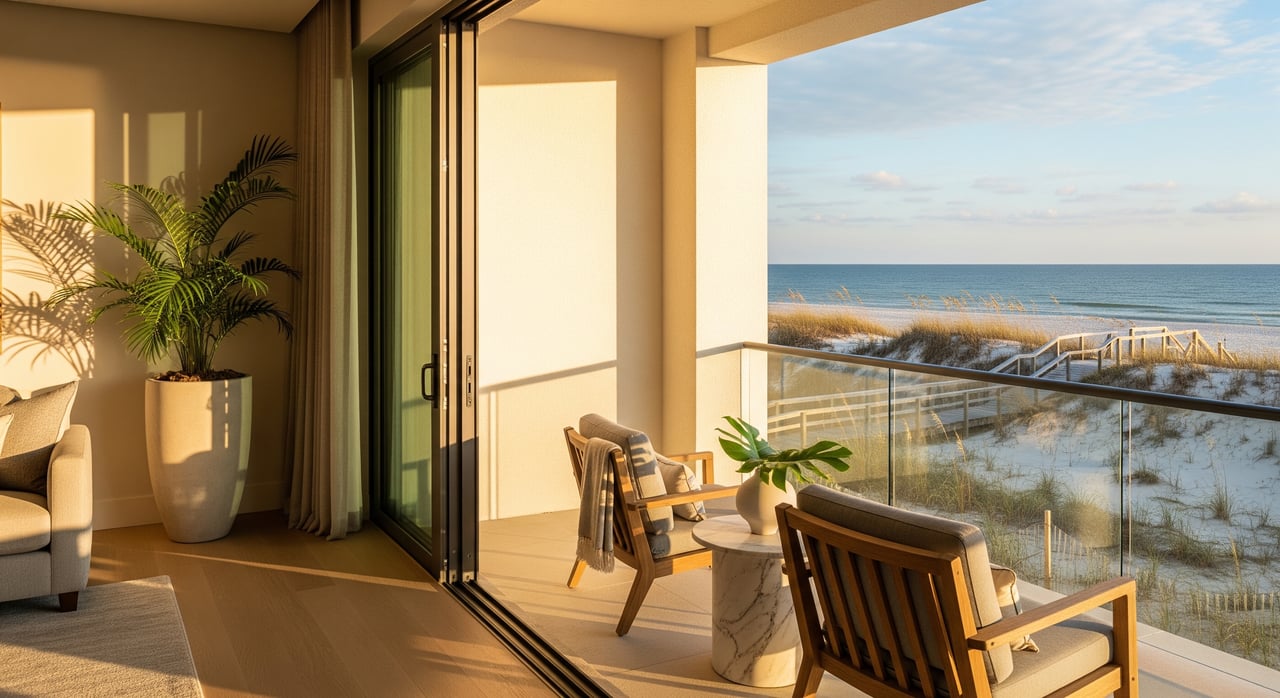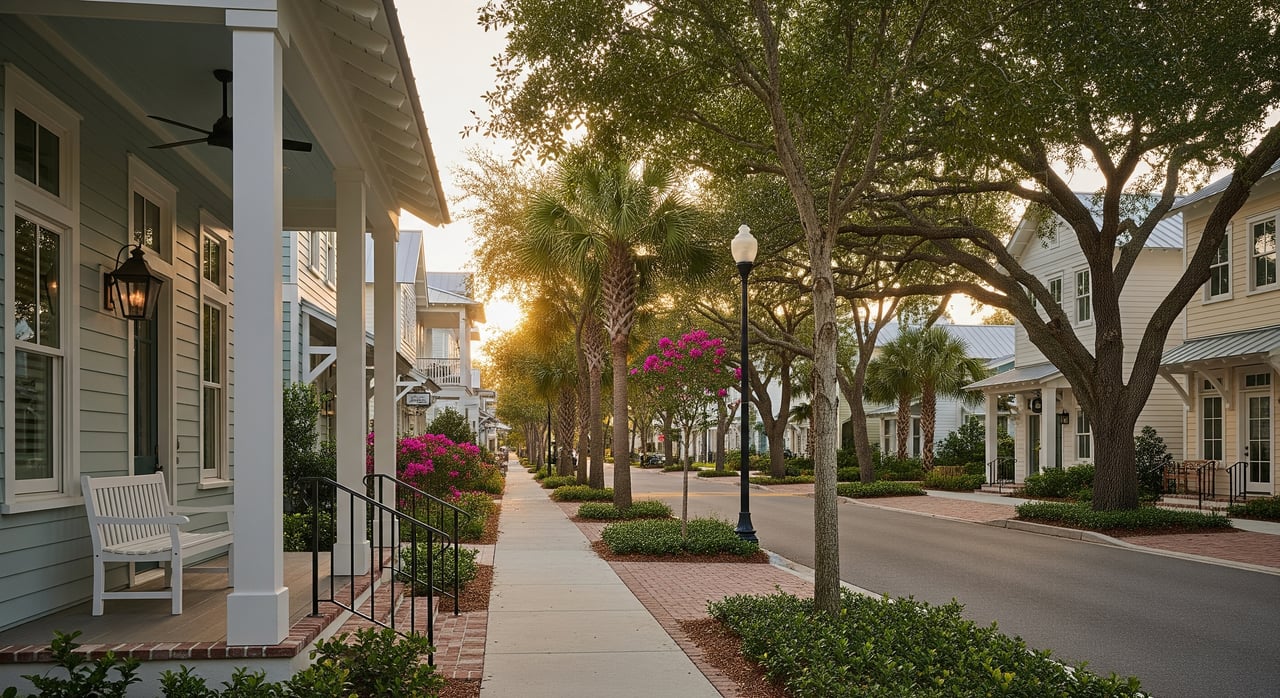
Imagine stepping out your front door and choosing between a shaded stroll to a café, a bike ride to the village green, or a few quiet minutes on your porch as neighbors wave hello. If you are exploring Windsor in Indian River County, you are likely drawn to places where design supports daily life, not the other way around. You want comfort, beauty, and community without giving up convenience. In this guide, you will learn how New Urbanism principles shape everyday routines at Windsor and what that means for buying or selling. Let’s dive in.
What New Urbanism Means at Windsor
Walkable, mixed-use design
New Urbanism focuses on compact, walkable neighborhoods with a clear center of activity. In practice, that means homes are planned near a village hub with everyday needs close at hand. You can expect a mix of uses, such as residential near retail and civic spaces, which helps reduce short car trips.
Town center and gathering spaces
A New Urbanist town center is designed to be a social anchor. It typically includes shops, dining, services, and public greens that host casual meetups and programmed events. When your routine is within reach of a plaza or green, you get more spontaneous moments that feel like small-town living.
Streets and sidewalks that invite walking
Connected streets, shorter blocks, sidewalks, street trees, and safe crossings are core features. This network gives you multiple routes for a walk, jog, or quick errand. Garages and utilities often sit on alleys, which helps keep primary streets more welcoming for people on foot.
Parks, trails, and recreation
Pocket parks, neighborhood greens, and trail systems support an active outdoor lifestyle. These spaces make it easy to fit in a morning walk, a casual bike loop, or time outside with a book. In Florida, shaded paths and thoughtful landscaping also matter for comfort in warmer months.
Architecture that welcomes neighbors
Human-scaled architecture, front porches, and homes closer to the street edge create a defined public realm. You feel connected to the neighborhood without sacrificing privacy. Small details like lighting, benches, and well-placed landscaping support daily interactions.
How Design Shapes Your Day
Short trips without the car
When daily needs cluster near the center, you can often handle short errands on foot. This can save time, reduce parking stress, and add light activity to your day. You may still rely on a car for regional trips, but your routine can feel less car-dependent.
Errands, dining, and services
A functioning village area can bring cafés, services, and small shops closer to home. You can meet a friend for lunch, drop by a service provider, and be back in minutes. For larger retail or medical services, expect to drive to surrounding corridors in Indian River County.
Outdoor lifestyle and wellness
Parks and trails make wellness feel simple. You can swap a treadmill for an evening walk, or pause at a pocket park for a quick reset. If there is a mature tree canopy along your route, you benefit from shade that makes outdoor time more comfortable.
Social connection and events
Thoughtful public spaces encourage connection. When homes face the street and porches invite conversation, you are more likely to know your neighbors. Community greens can support markets, seasonal gatherings, or casual music nights that give the area a sense of place.
Getting around the region
While walkability helps with local routines, many residents still use a car for commuting and larger errands. Public transit options in Indian River County are limited, so plan for driving to employment centers and major services. Trails and bike lanes can support recreation, though heat and road conditions may affect daily cycling.
Practical Considerations for Buyers
HOA and lifestyle rules
Master-planned communities often have homeowners’ associations with covenants that guide exterior standards, landscaping, parking, rentals, and amenity use. You should review the current HOA documents to understand fees, coverage, and any restrictions. Clear rules can support neighborhood appearance and long-term maintenance.
Costs, taxes, and insurance in Indian River County
In Florida, plan for homeowners insurance that accounts for wind and hurricane risk. Depending on property location and flood zones, you may also consider flood insurance. Property taxes vary by parcel, so verify current figures with the county property appraiser during due diligence.
Safety, storms, and resilience
In coastal markets, hurricane readiness, drainage, and elevation are part of everyday planning. Ask about stormwater design, community protocols, and typical timelines for post-storm cleanup. Confirm whether a property sits in a designated flood zone and understand any related insurance requirements.
Schools and daily routines
Proximity to schools may influence your schedule and commute patterns. Check current zoning and transportation options to plan your daily logistics. Sidewalks and crossings, where available, can also shape how you approach drop-offs and after-school activities.
Potential trade-offs
New Urbanist features can reduce short-trip driving and add daily convenience, but there are trade-offs to consider. HOA rules may feel limiting for some preferences. Florida’s heat and humidity can affect walking and biking comfort, so shaded routes matter. In larger master-planned settings, active construction in new phases may affect noise and views.
For Sellers: Highlight What Matters
When you sell in a New Urbanist community, lead with the lifestyle benefits. Emphasize walkability to village amenities, connected streets, and the quality of parks and public spaces. Show how porches, greens, and trails work together to create daily ease.
You also want to highlight ongoing maintenance and the condition of common areas. Buyers respond to evidence of strong stewardship, clear HOA communication, and reliable amenity care. If you track average time-to-errands or favorite walking loops, those details can help buyers picture life in the home.
Is Windsor Right for You?
The best way to decide is to experience the rhythms of the place. Park once and explore on foot. Notice how sidewalks connect to greens and how homes meet the street. Picture your daily routines and where you will get coffee, exercise, and unwind.
If you want a walkable pattern of living with a neighborhood feel, Windsor’s New Urbanist design can be a strong fit. If your priorities include privacy plus easy access to a village hub, it is worth a closer look. For current HOA details, amenity updates, insurance guidance, and a tour tailored to your lifestyle, connect with Alexis Miller for personalized local insight.
FAQs
What is New Urbanism at Windsor?
- It is a planning approach that clusters homes near a village center, connects streets and sidewalks, and blends parks and public spaces to support daily convenience and community.
How walkable is Windsor for daily errands?
- Walkability depends on where you live within the community, but the plan focuses on keeping many day-to-day needs closer and accessible by foot or bike.
Will I still need a car in Indian River County?
- Yes, most residents still drive for regional trips, larger shopping, and commuting, since public transit in the county is limited.
What should I know about HOA fees at Windsor?
- Expect an HOA that funds common-area care and amenities; review current fee schedules and rules during due diligence to understand coverage and restrictions.
How does hurricane season affect daily life in Windsor?
- You should plan for storm readiness, verify flood zone status, and understand community protocols for drainage, cleanup, and communication after major weather events.
Are there bike paths and trails within the community?
- New Urbanist design typically includes trails or bike-friendly routes; your daily experience will depend on the specific location and shade along those paths.
Where are major services relative to Windsor?
- A village center can cover many daily needs, while larger retail, medical services, and employment centers are generally reached by car in the surrounding area.